Pregnancy has a strange way of making time feel both incredibly slow and impossibly fast.
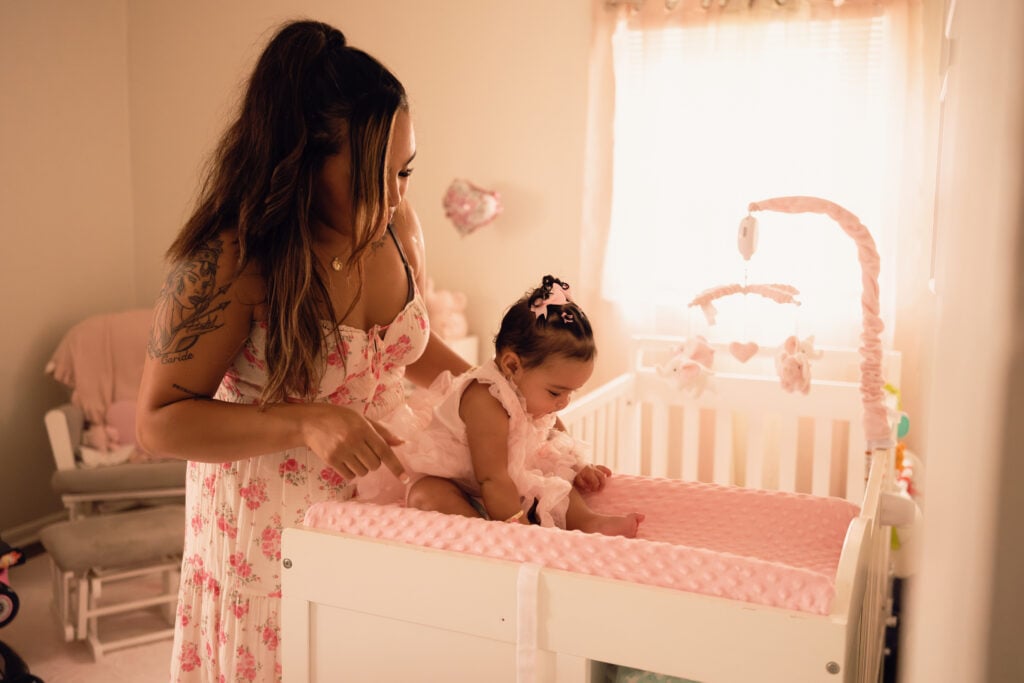
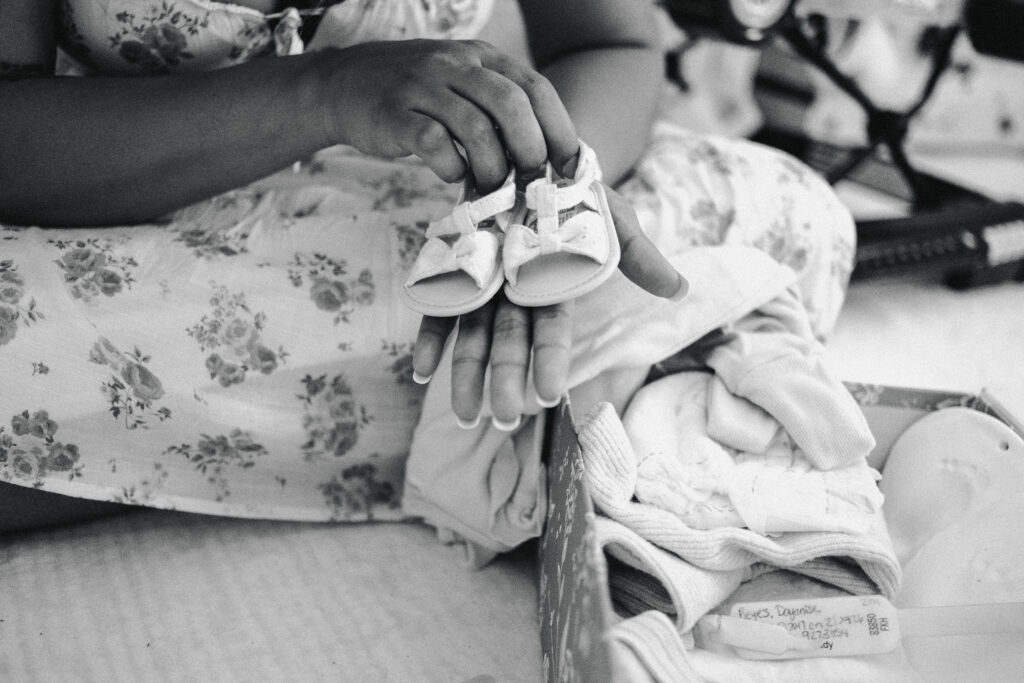
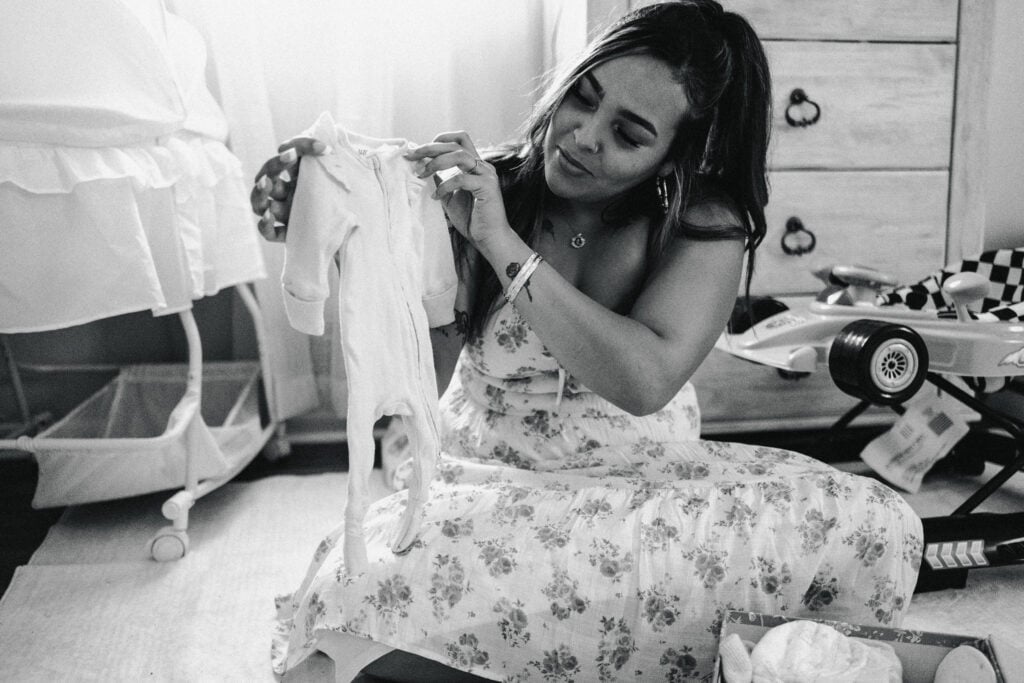
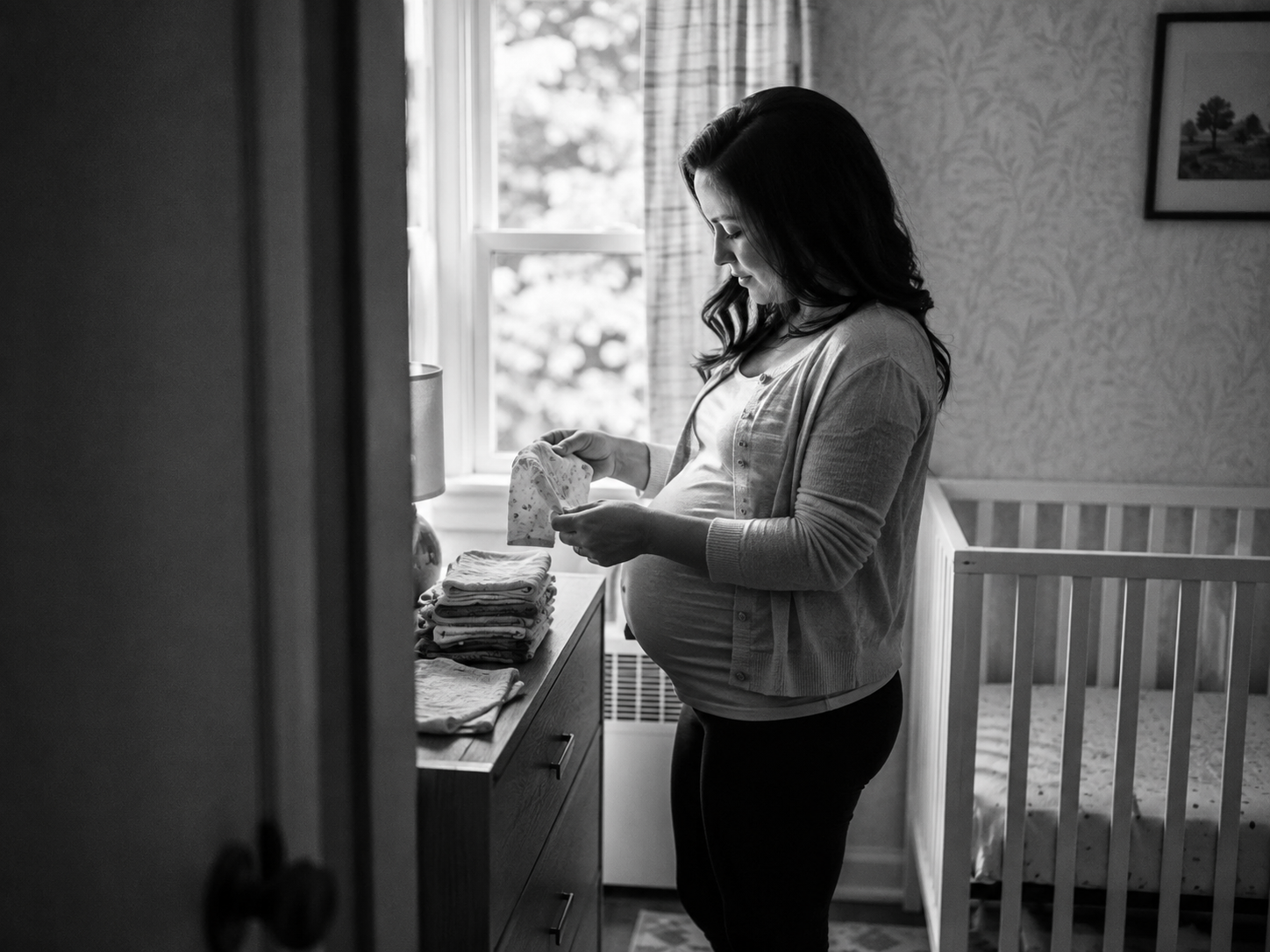
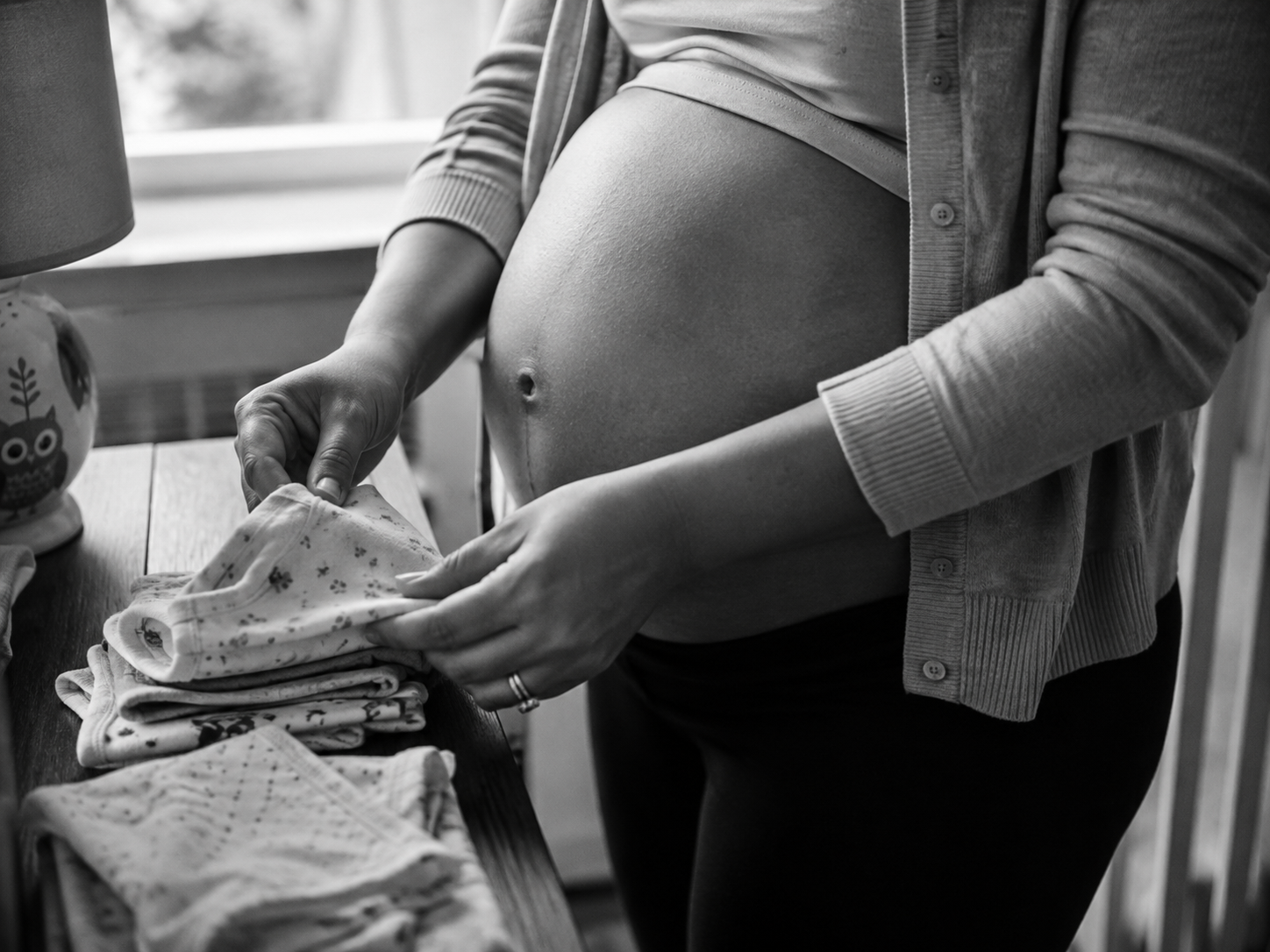
There are the obvious things you might want to remember — the shape of your belly, the anticipation, the way you looked during this brief season. But there are quieter things happening too. The half-finished nursery. A stack of tiny clothes waiting on a chair. Your partner reaching for you as you pass each other in the kitchen. The way your home looks just before someone new arrives and changes the rhythm of everything. Those are the things I’m interested in photographing.
Maternity photography is often centered on pregnancy itself: the shape of your body, the nursery, the anticipation of a baby who is almost here. I think there is another part worth remembering. This is also the final chapter of your family exactly as it exists right now.
Maternity photographs don’t have to feel like a photo shoot
There is nothing wrong with a beautiful portrait, but maternity photographs don’t have to mean standing in a field at sunset, wearing something you would never normally wear and spending an hour thinking about where to put your hands.
Documentary maternity photography begins somewhere else. Instead of creating an entirely separate version of your life for the camera, we photograph within the one you are already living.
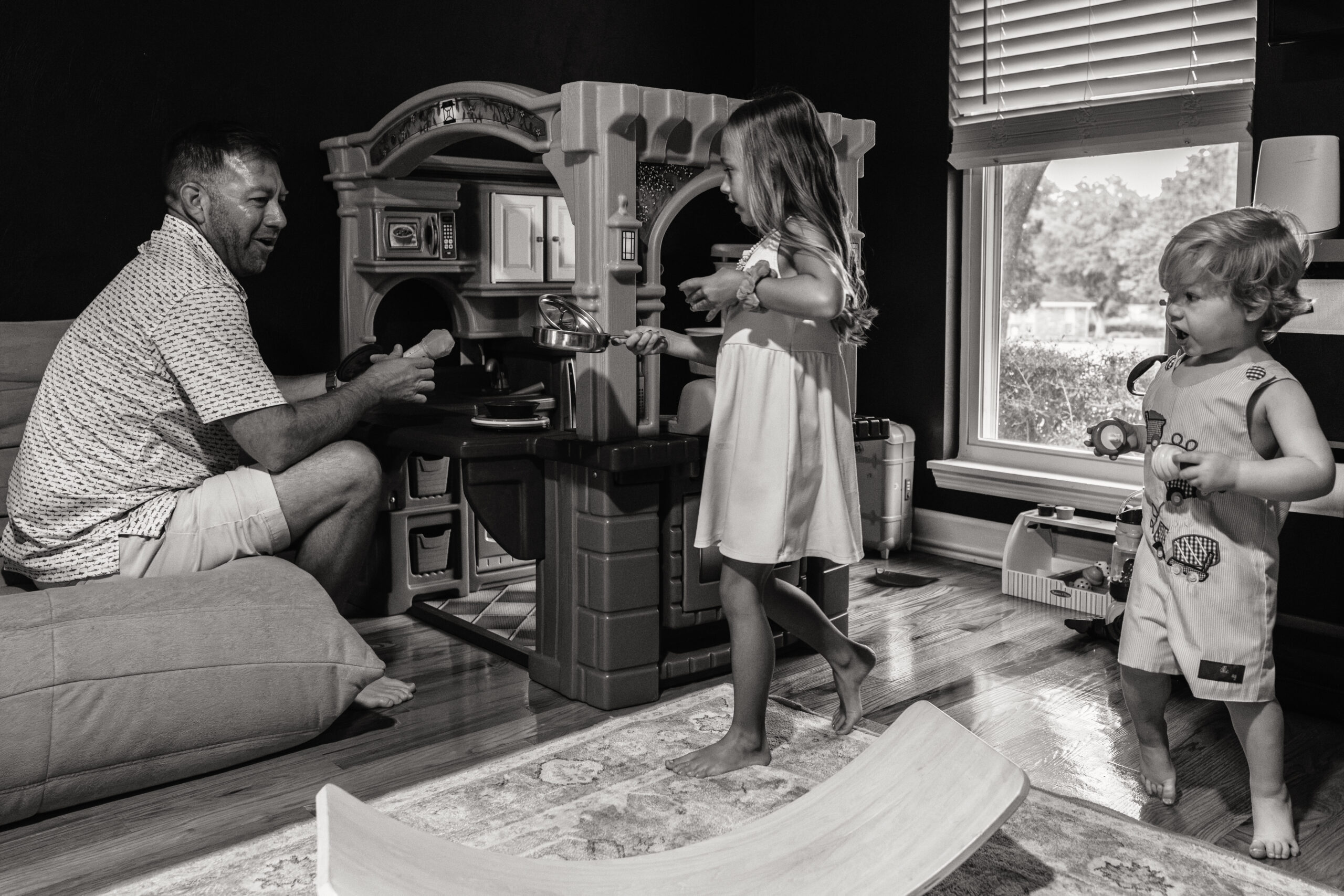
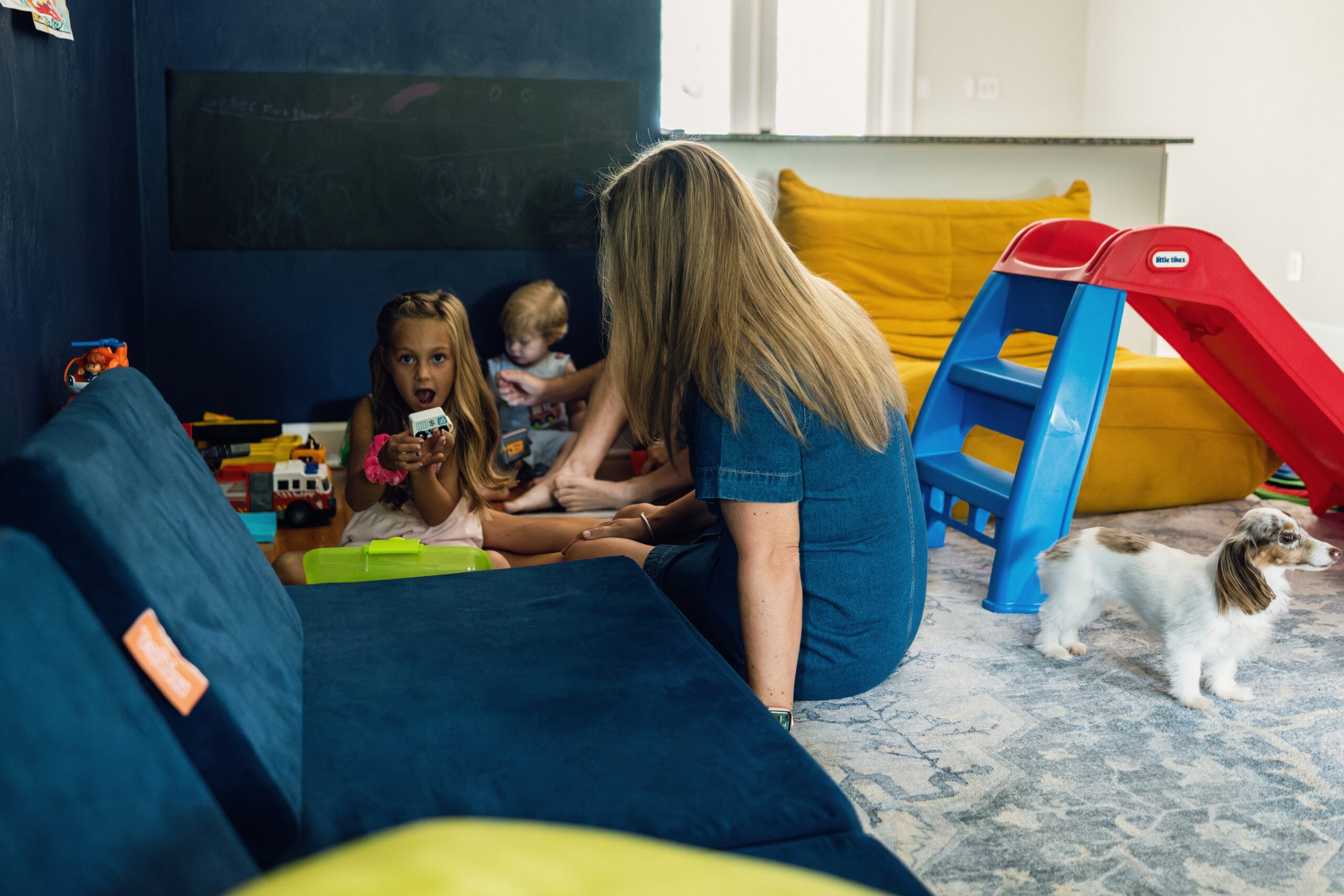
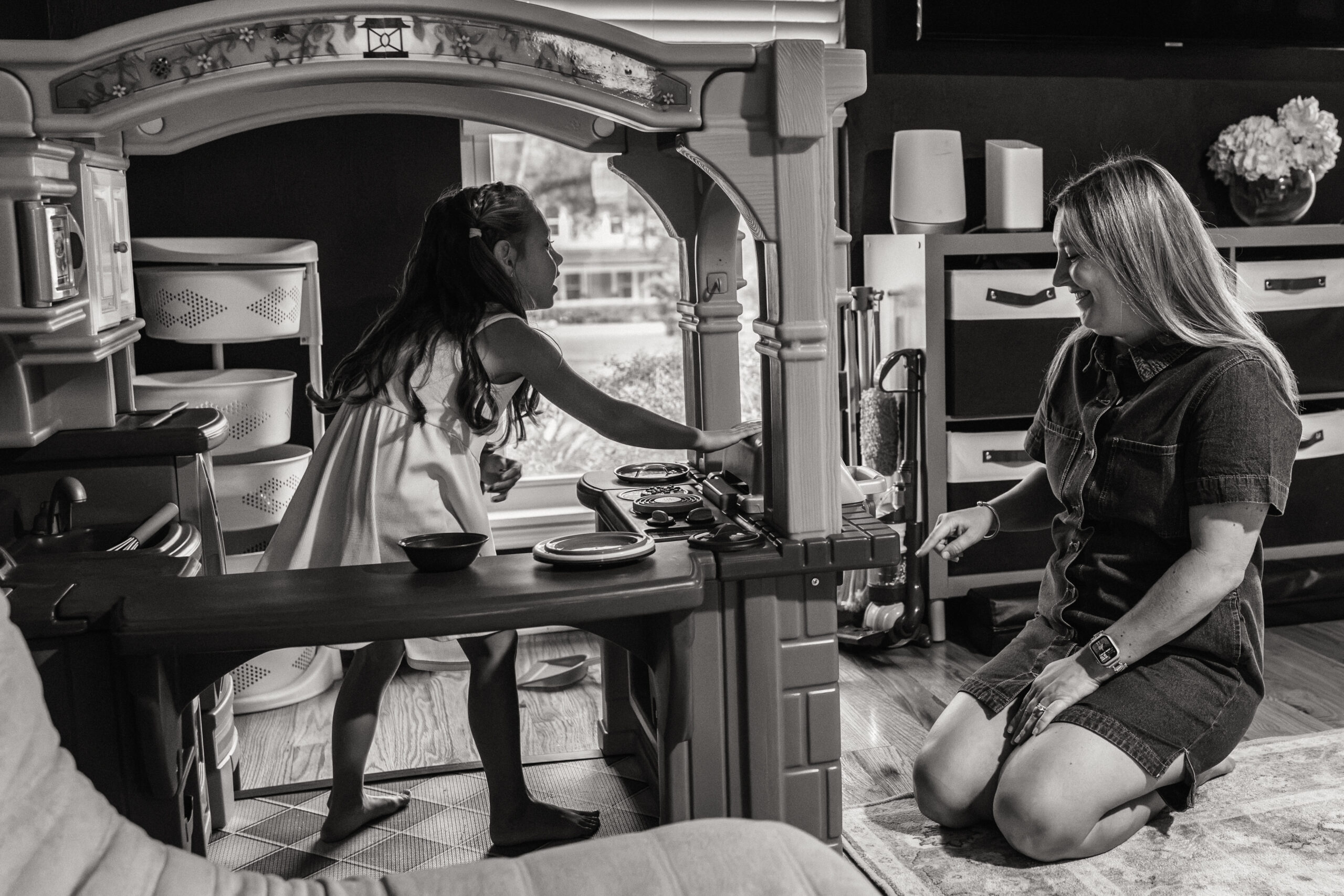
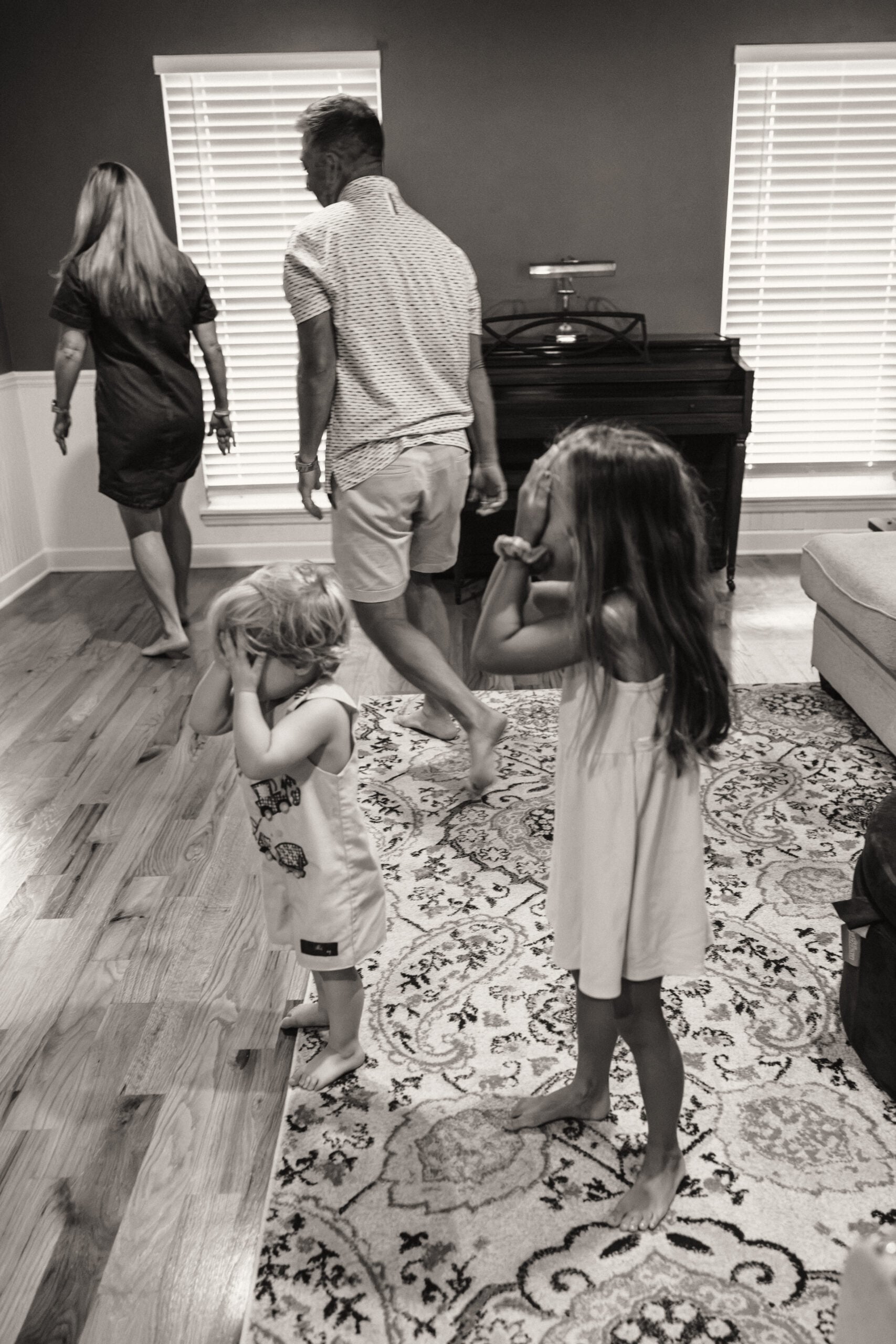
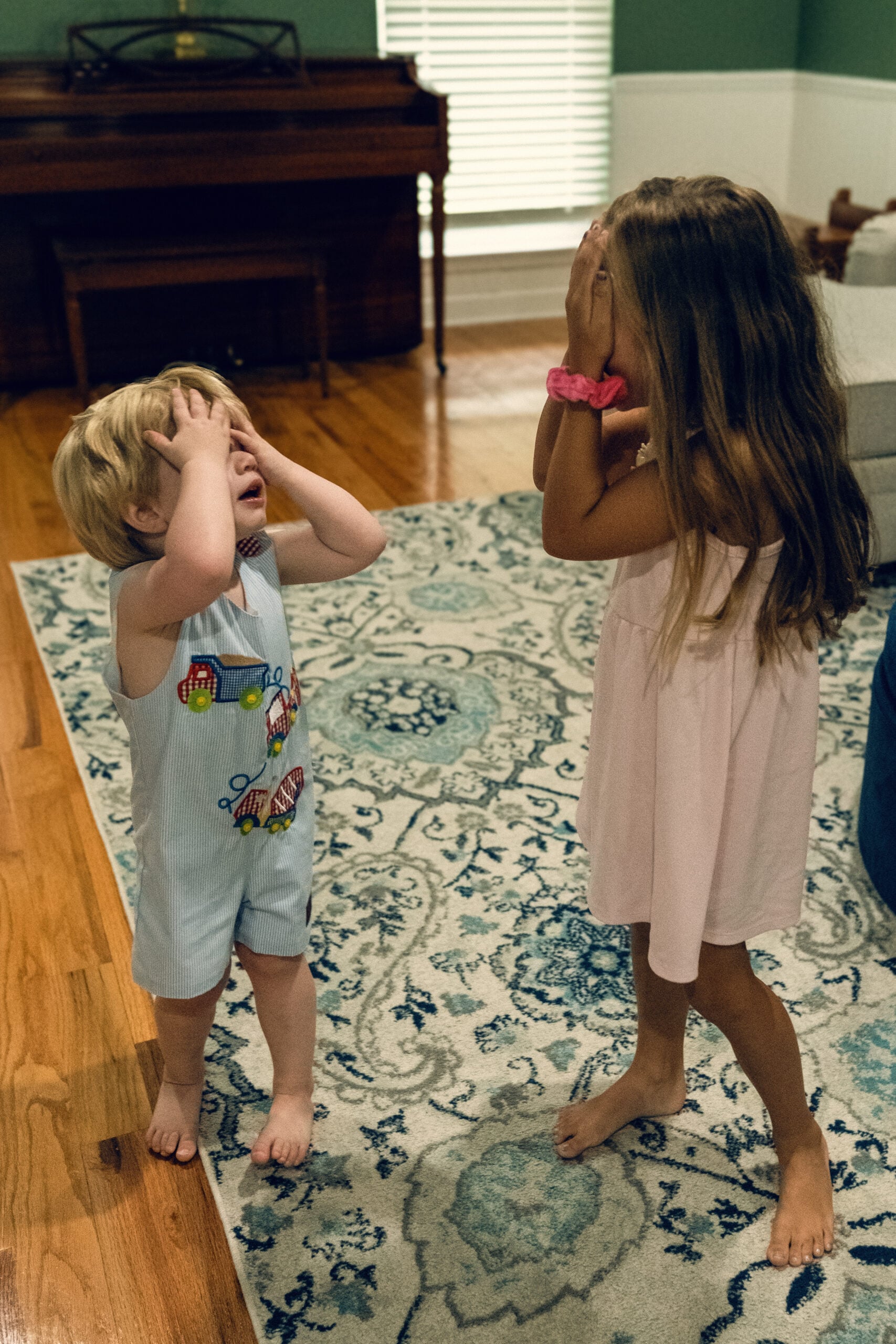
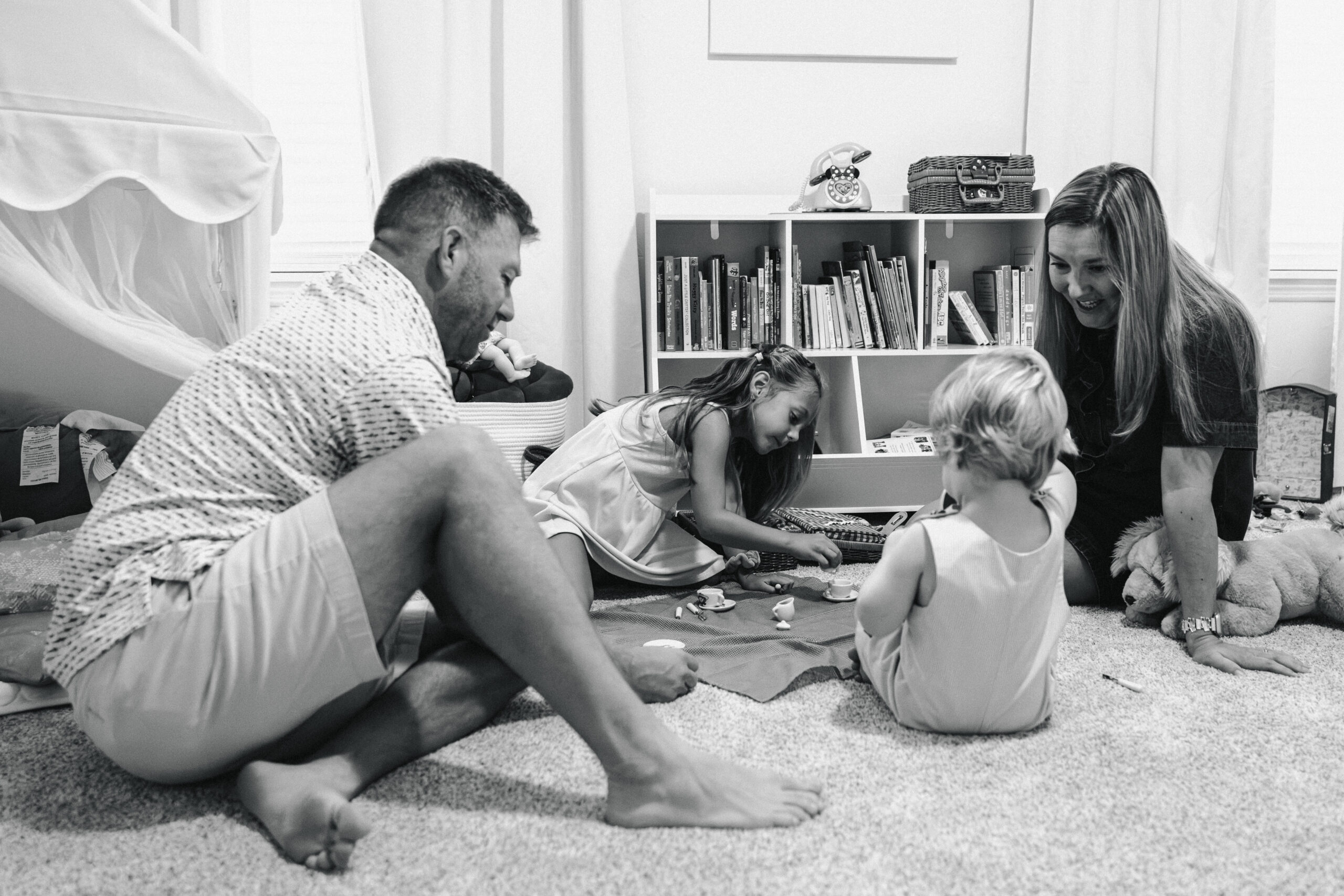
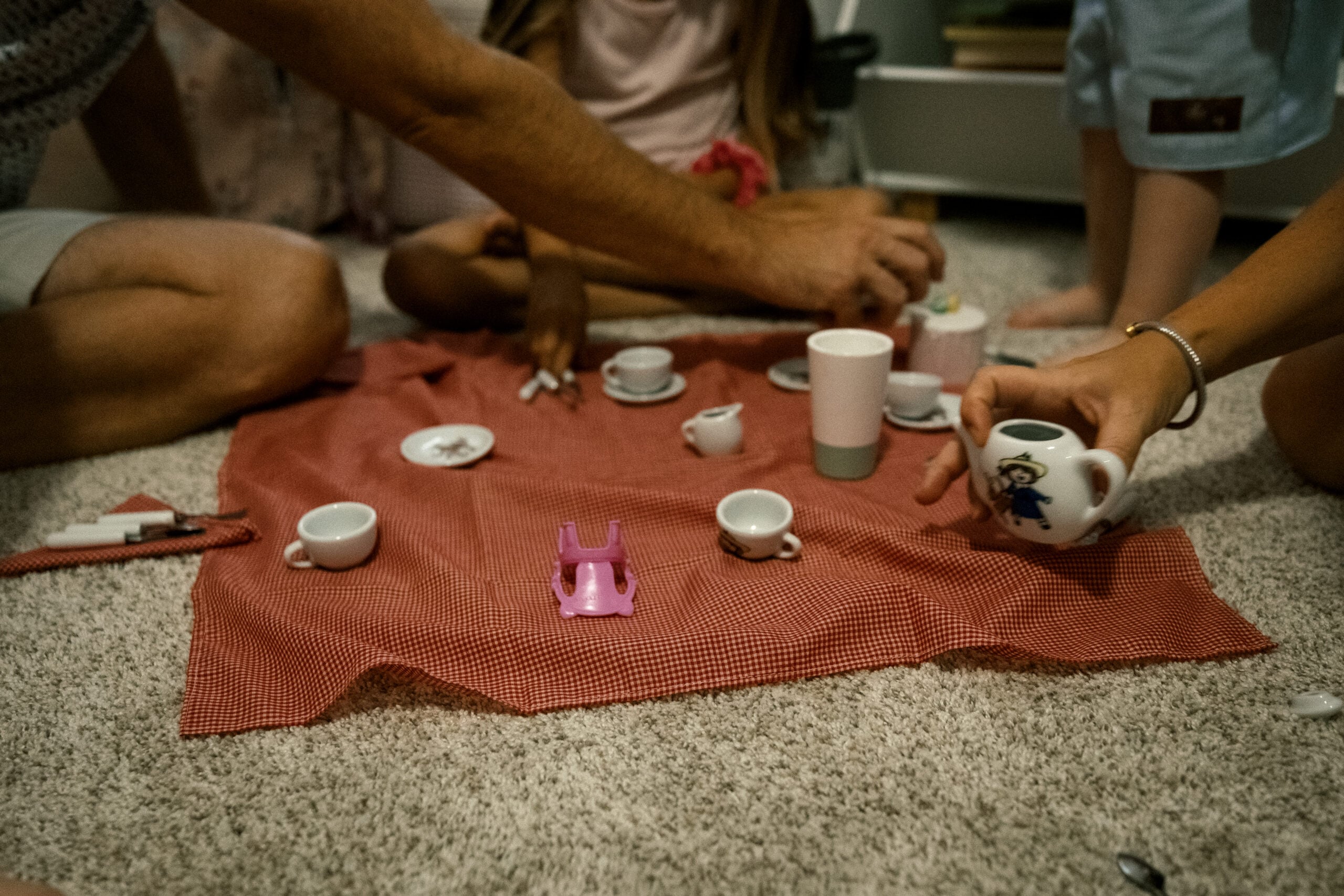
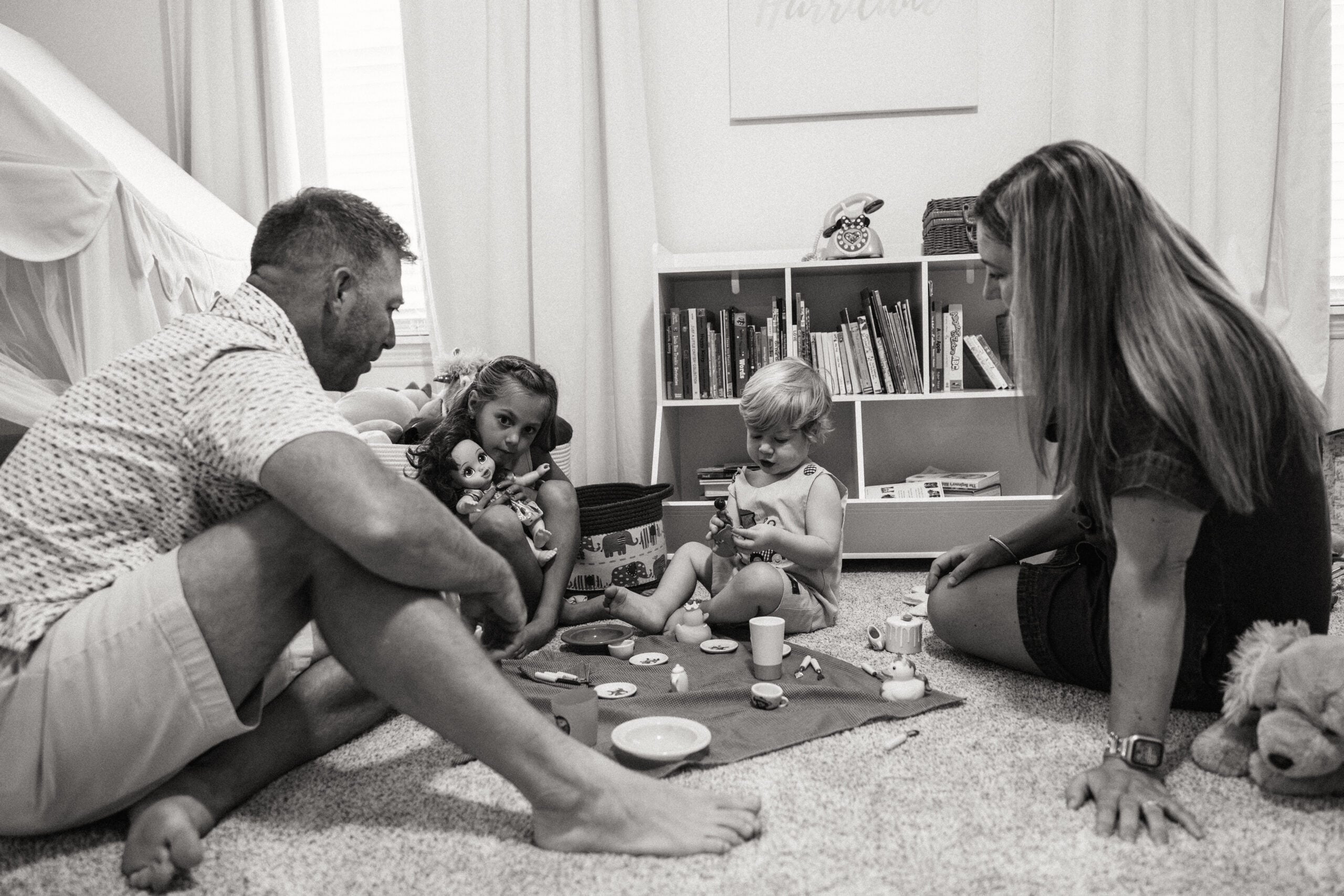
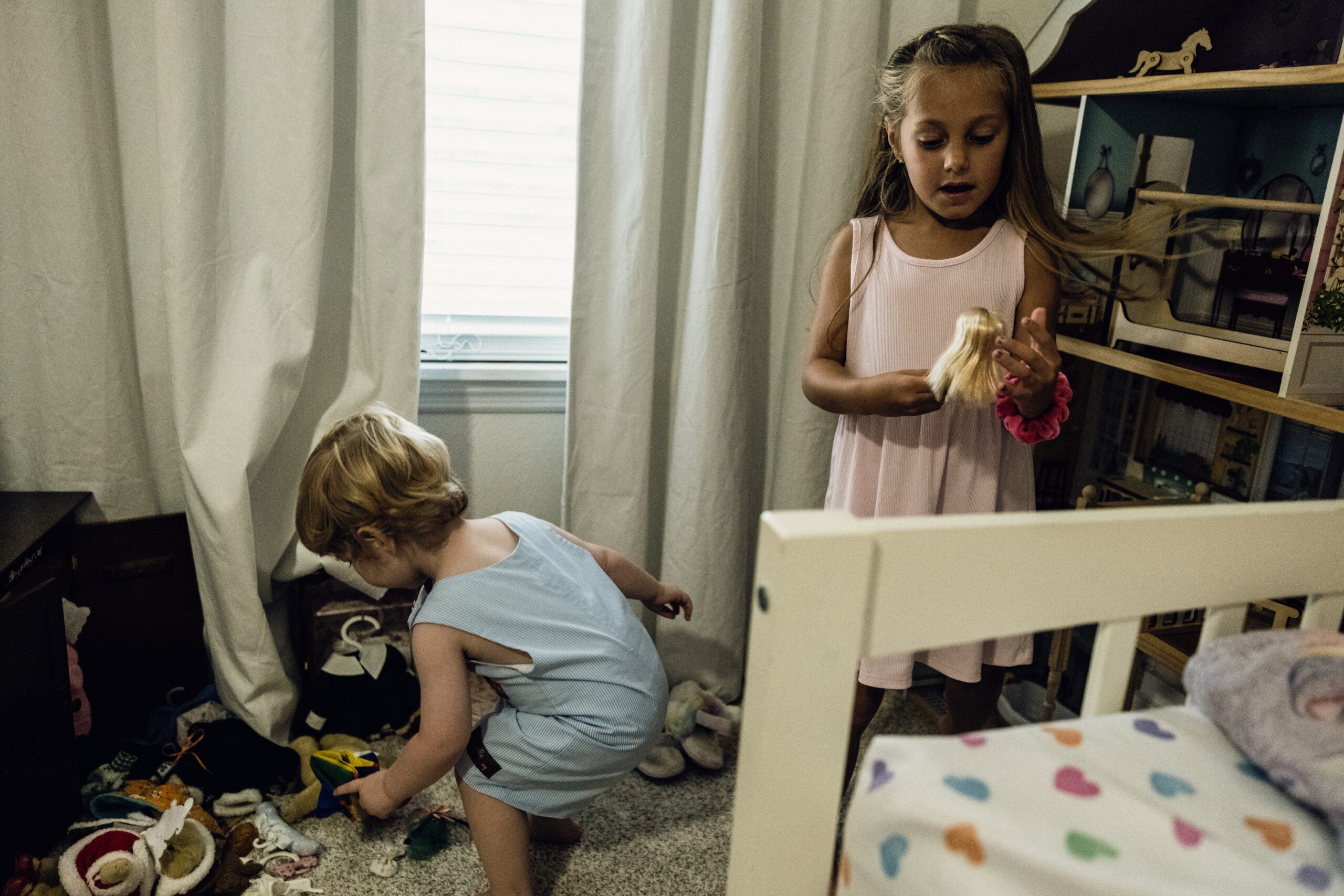
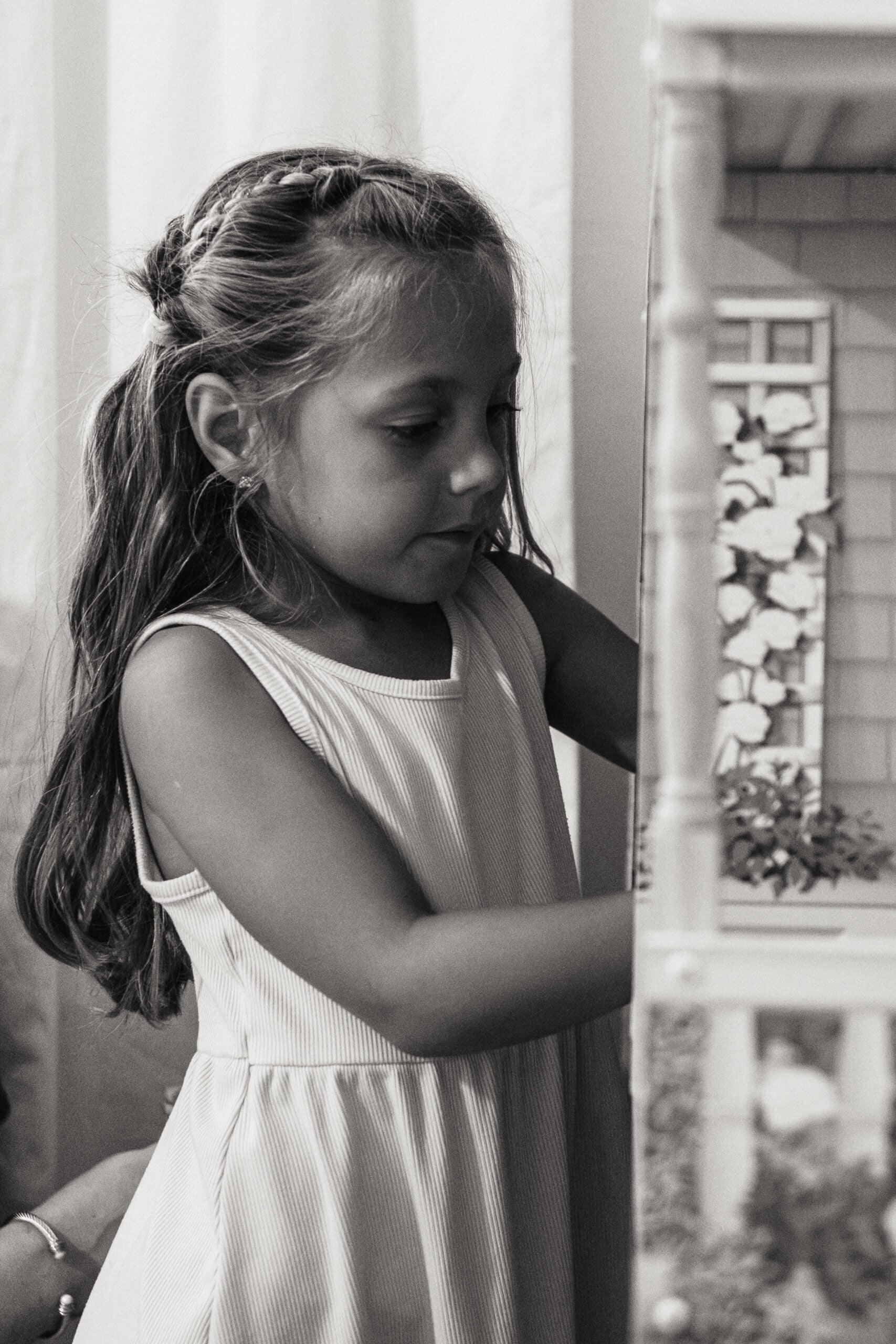
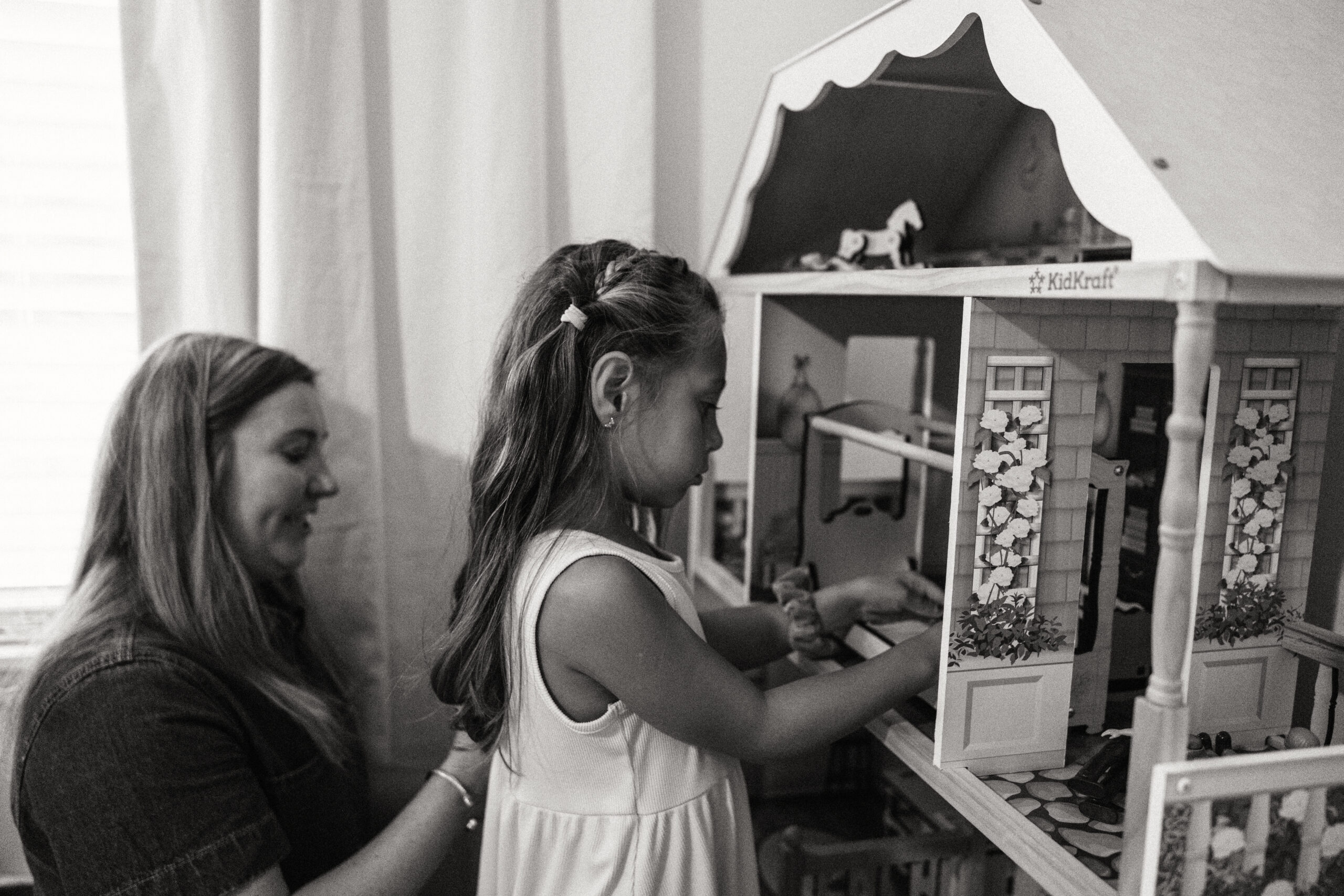
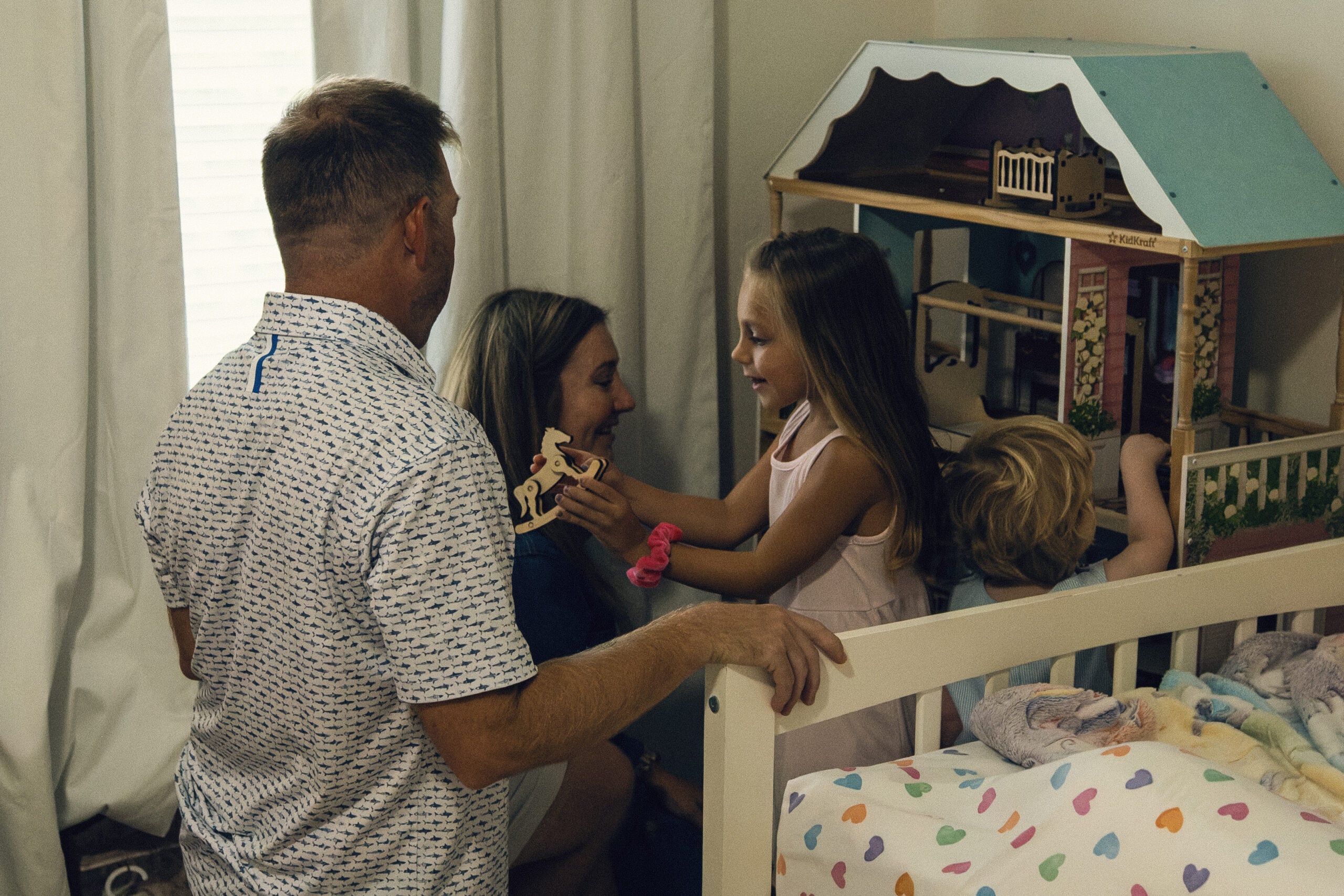
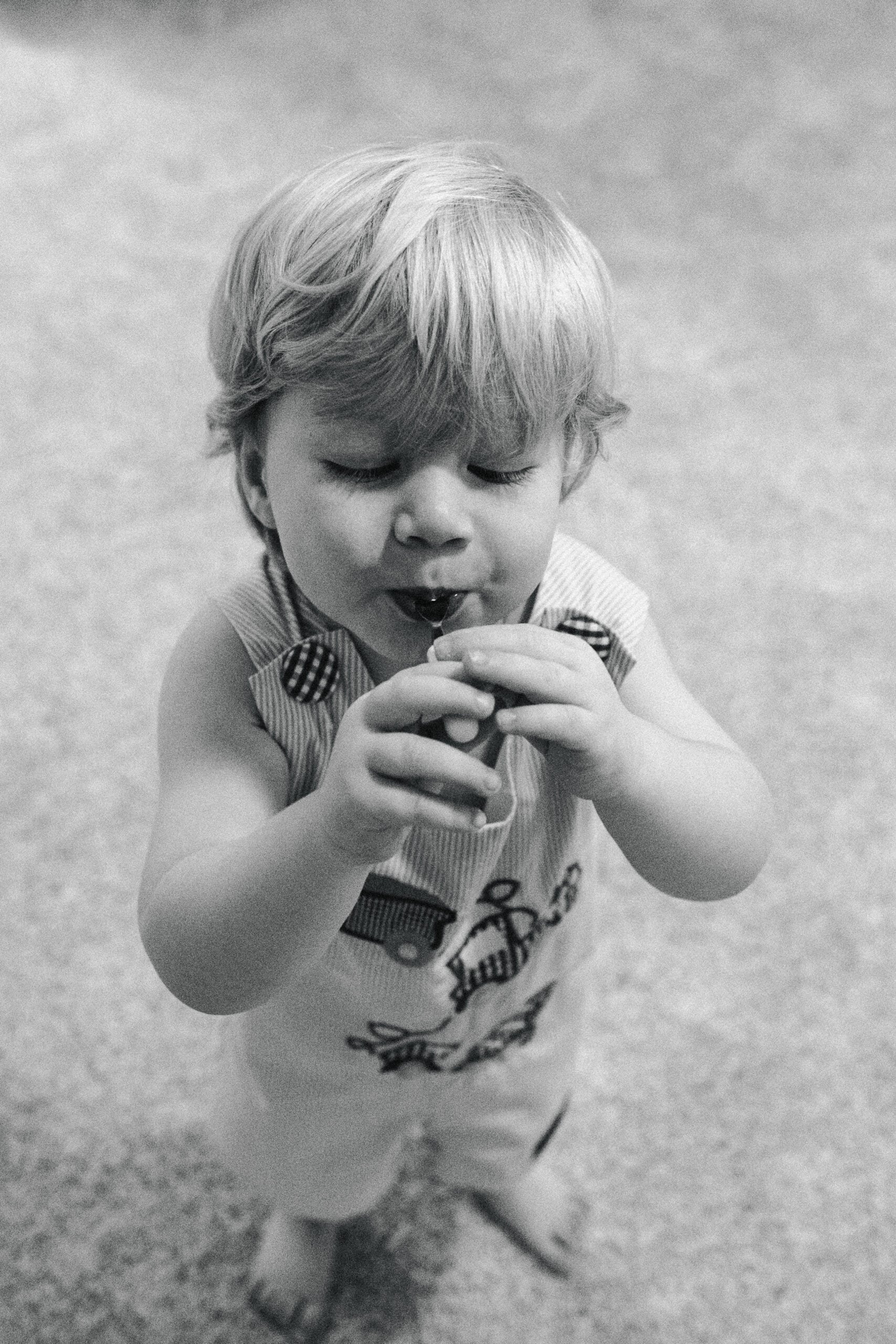
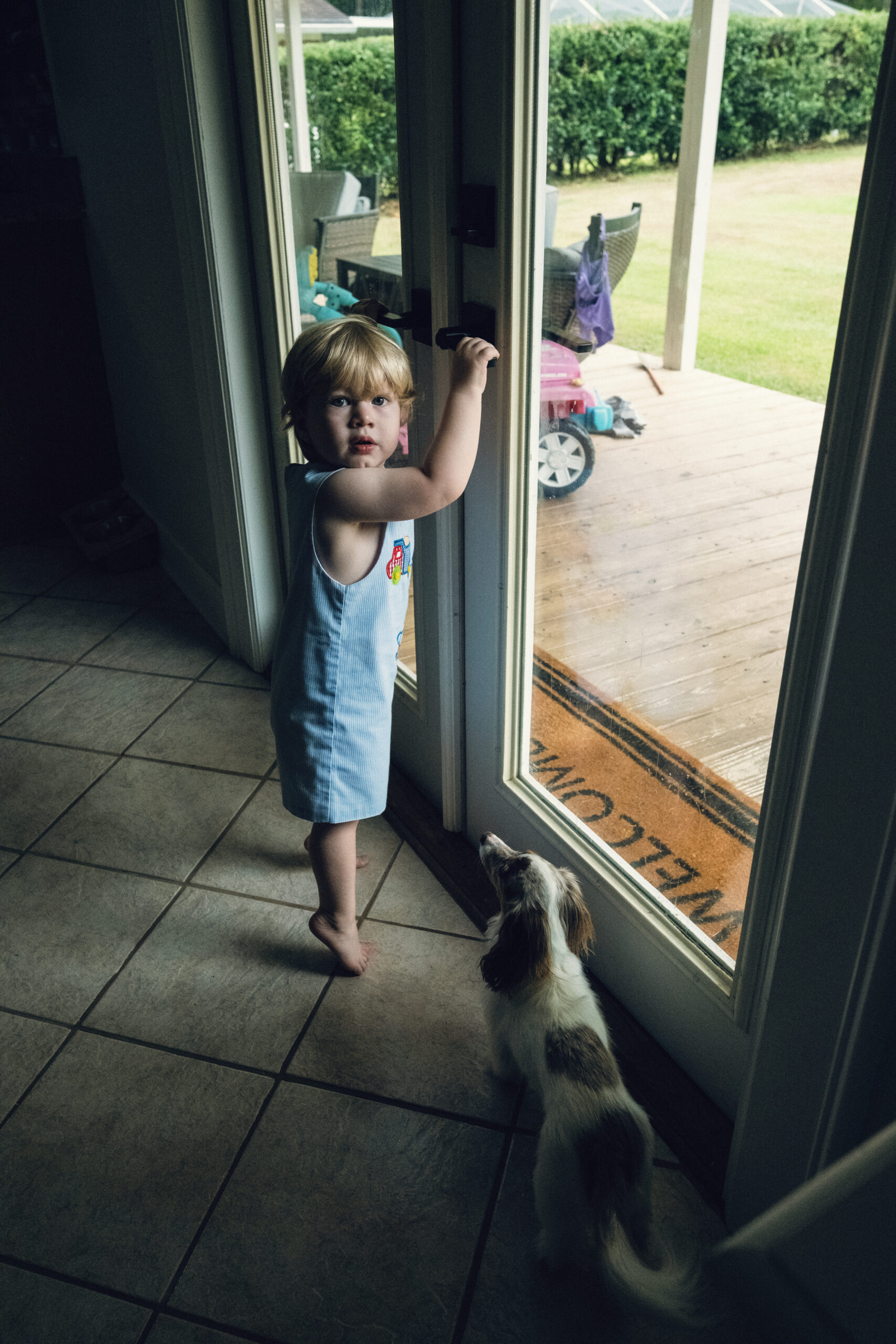
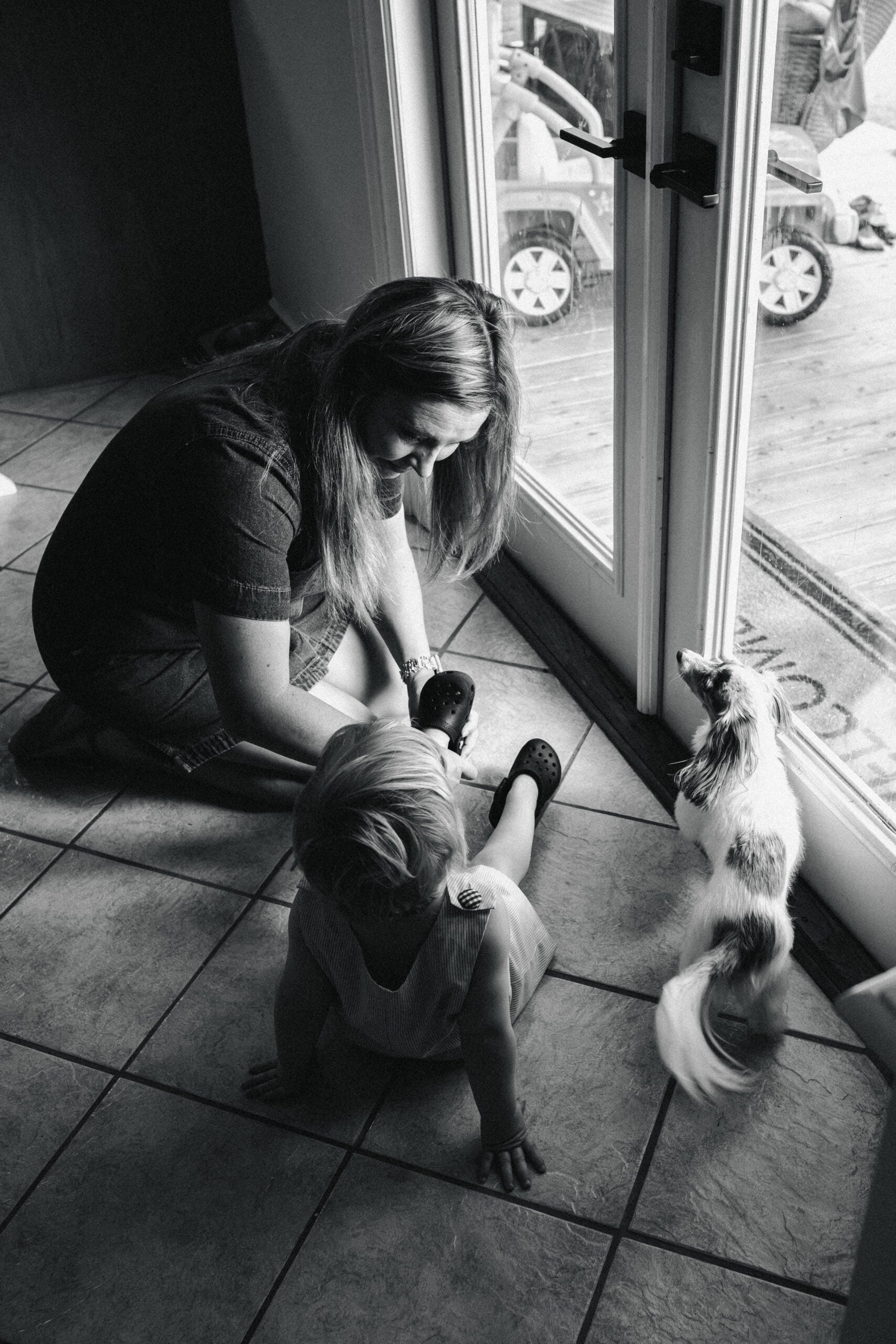
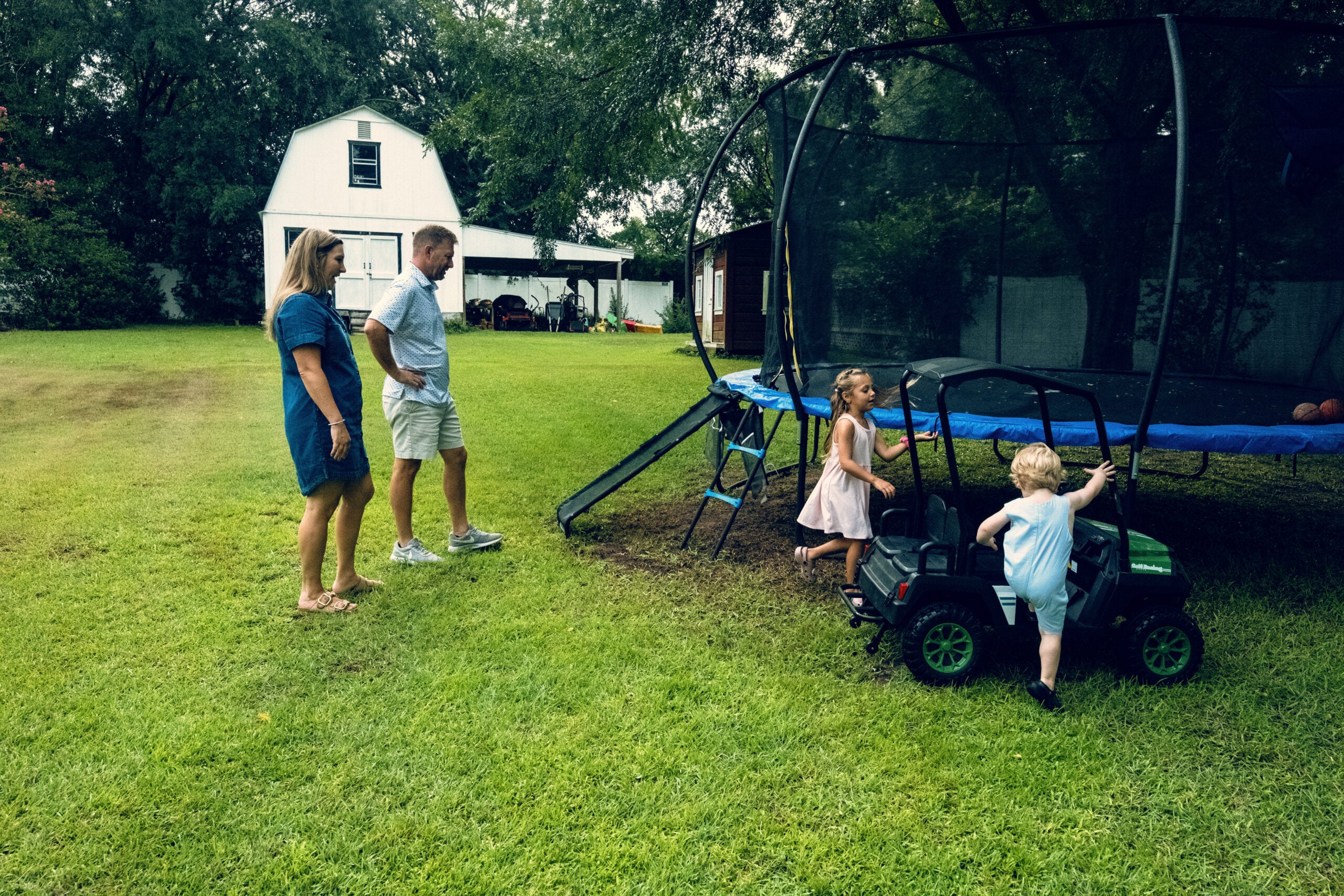
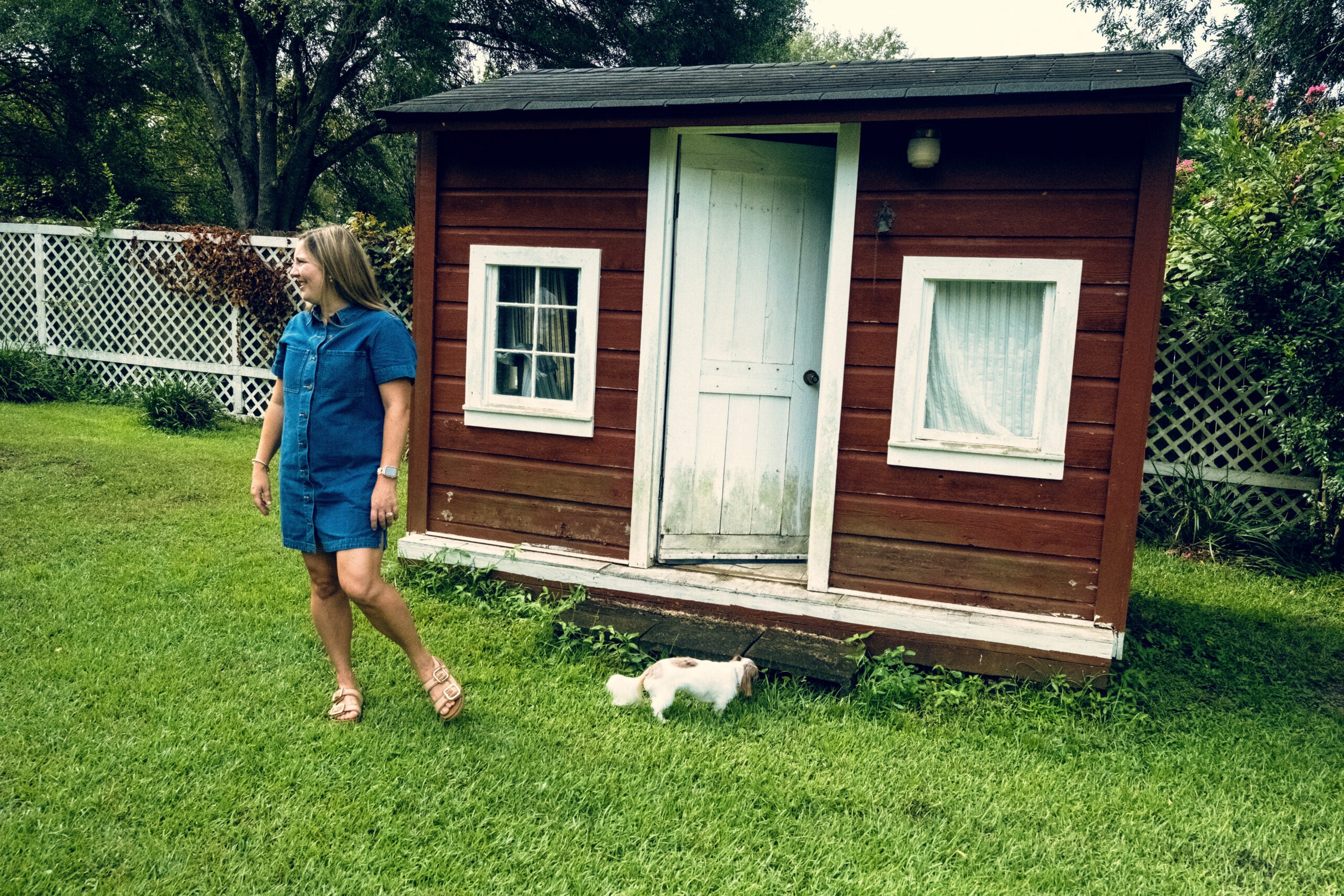
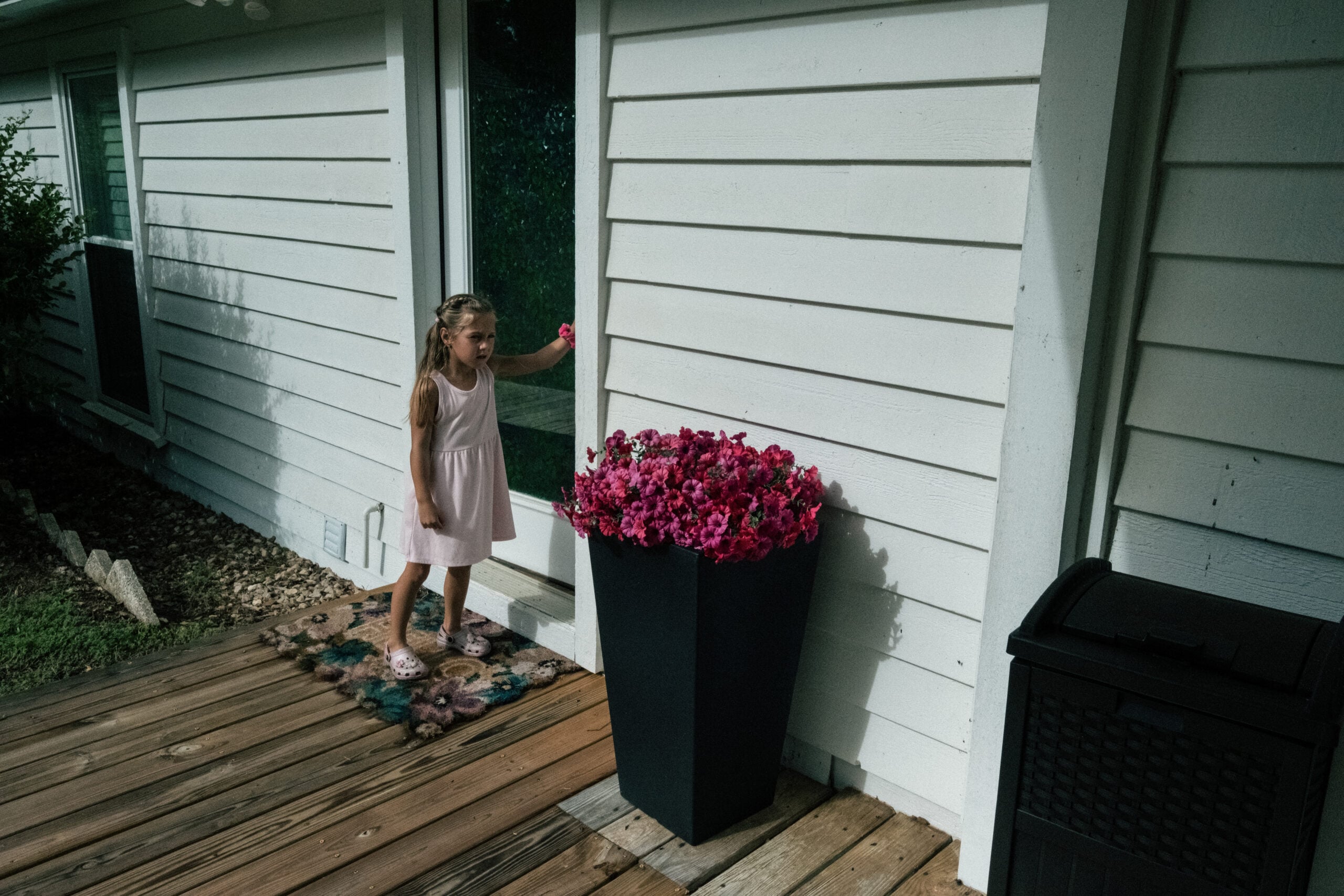
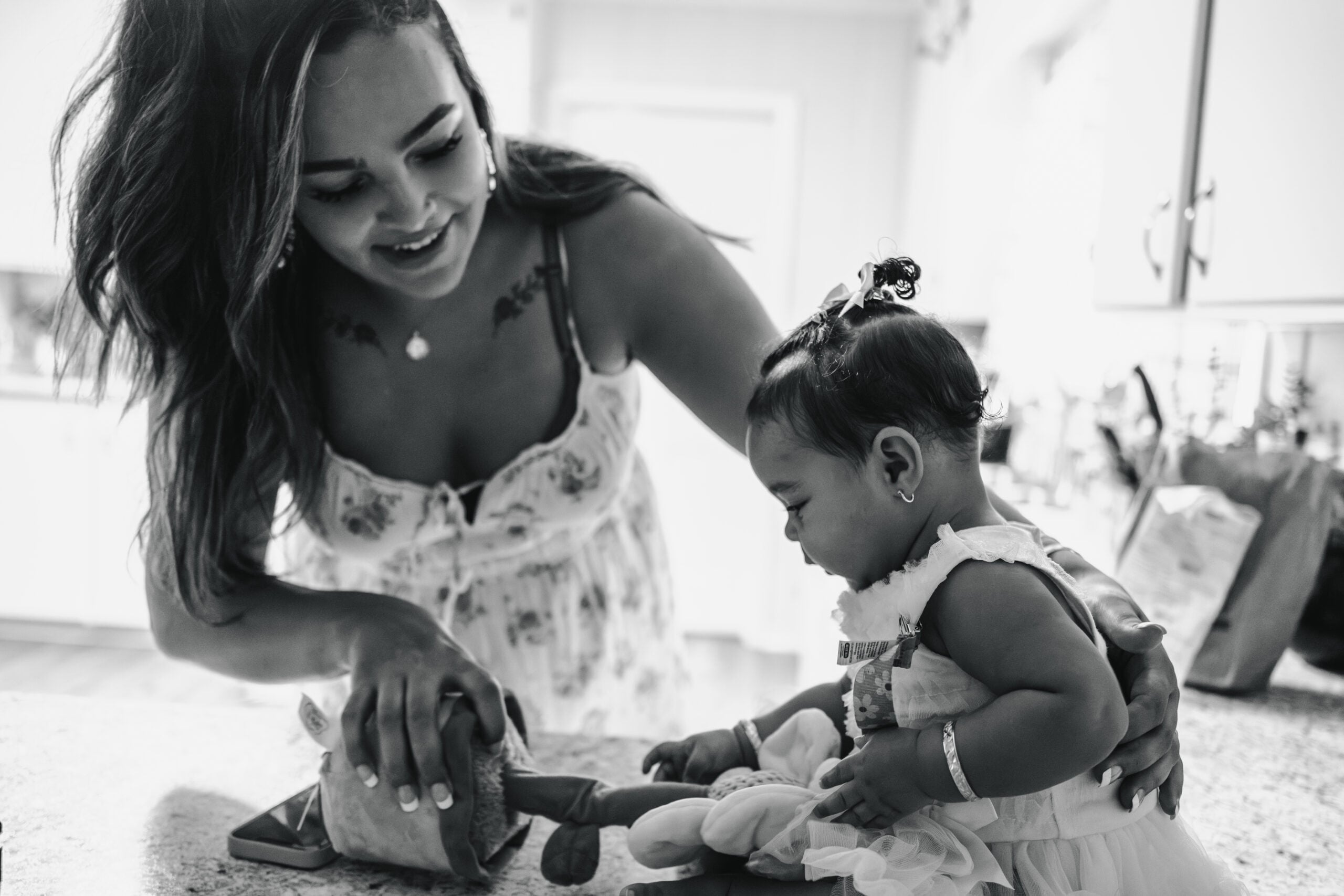
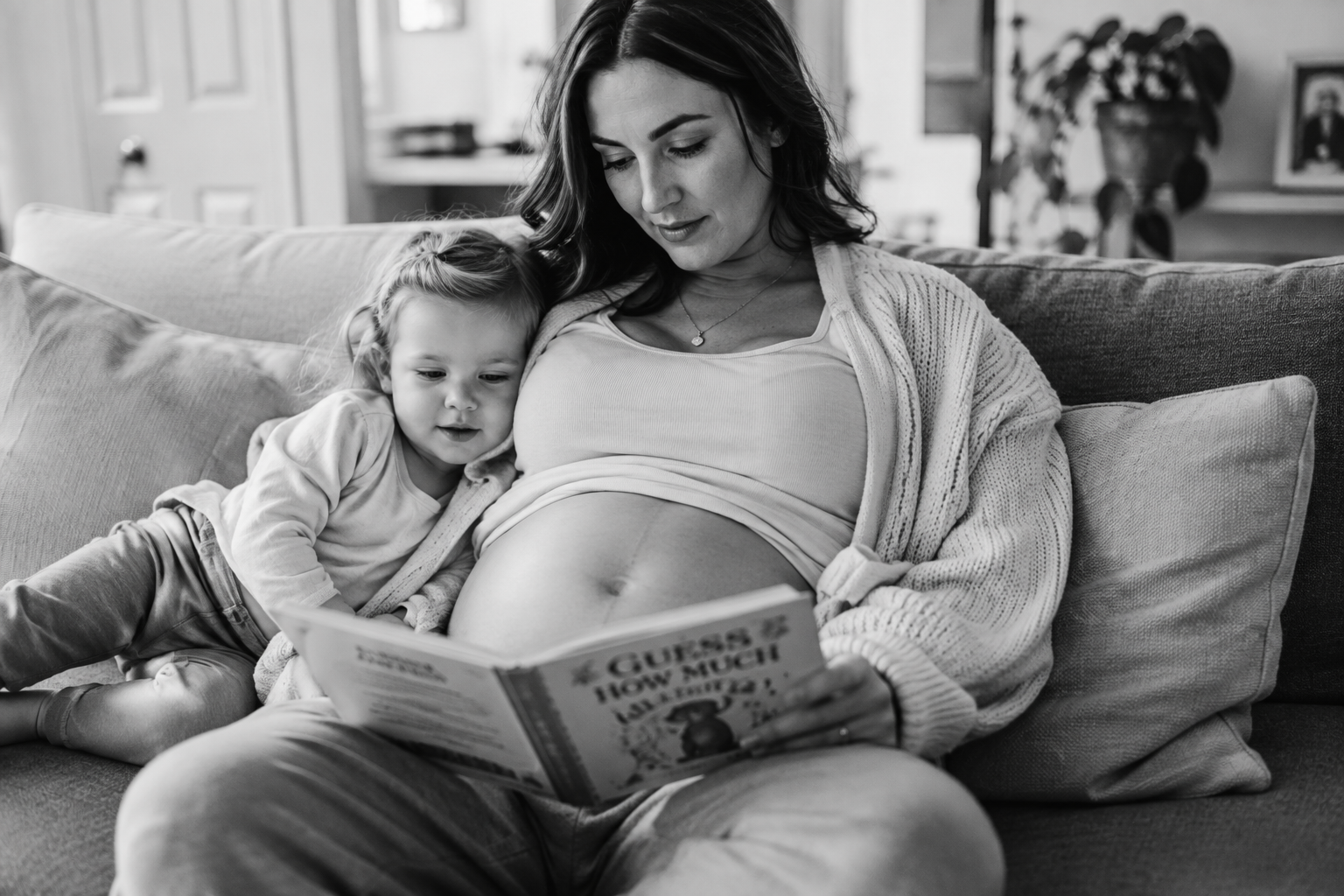
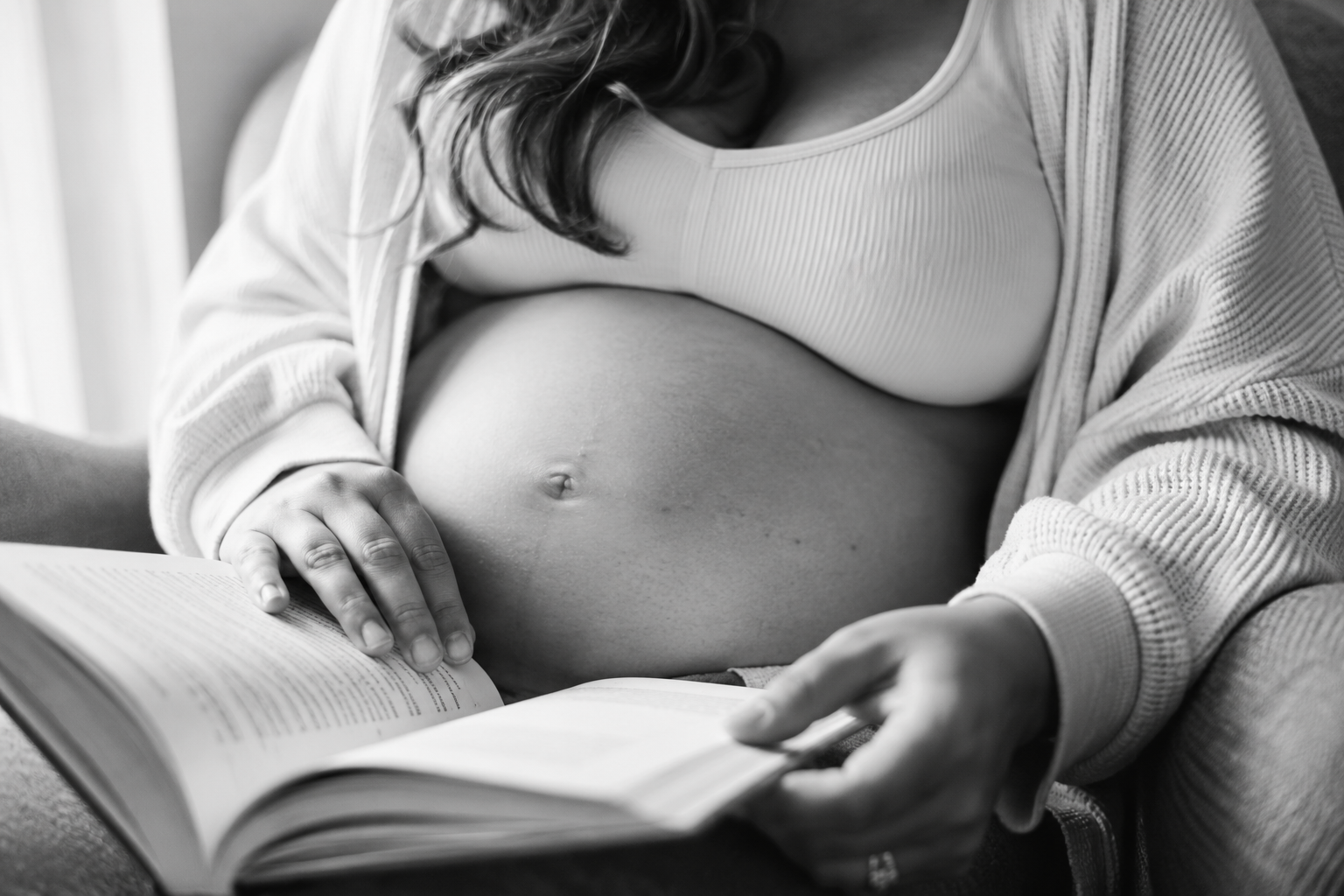
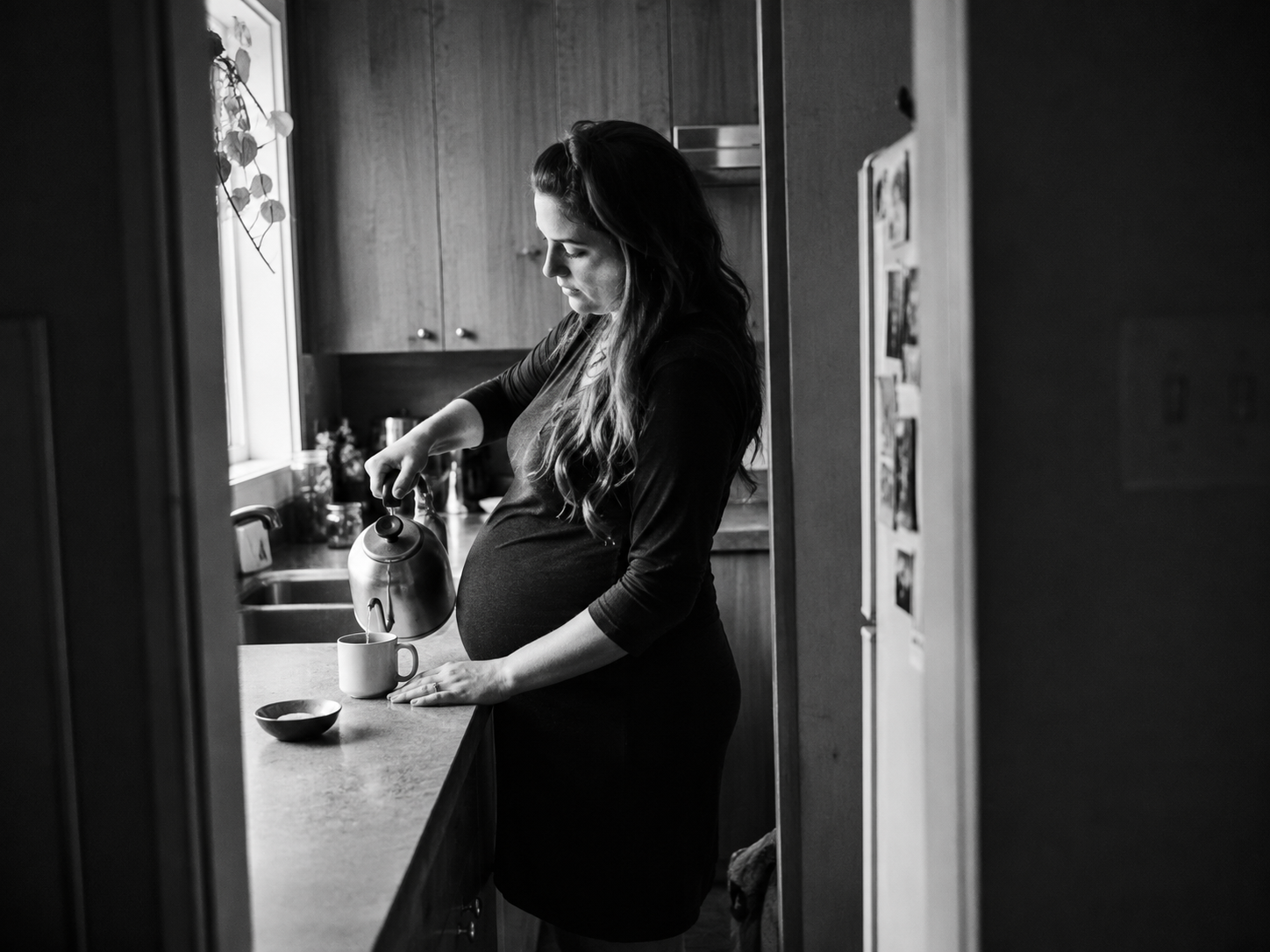
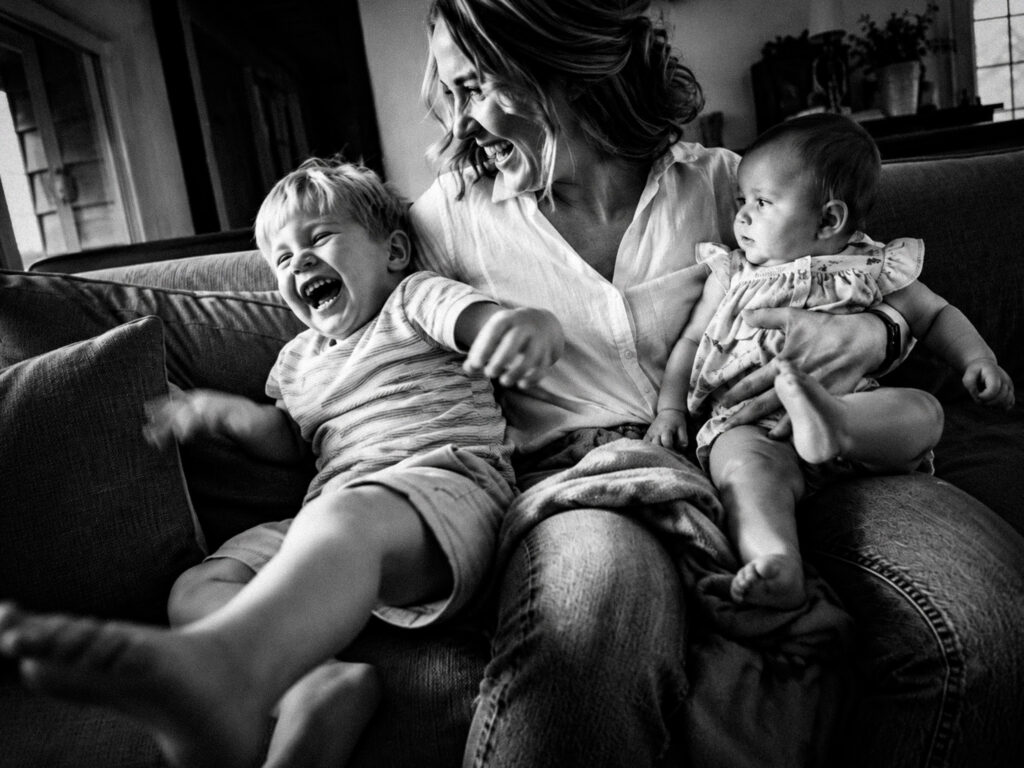
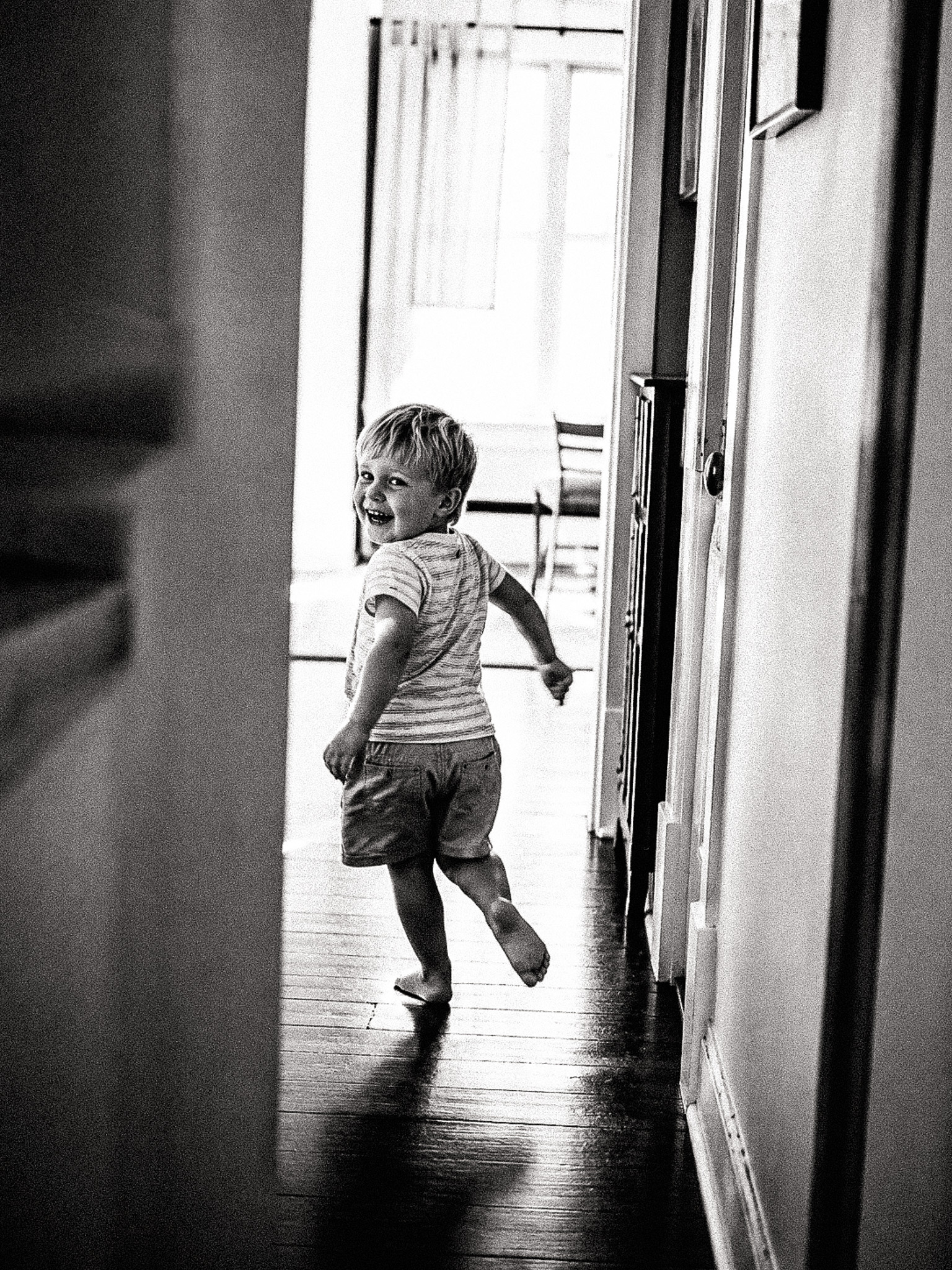
You might make coffee in the kitchen, sit in the nursery sorting tiny clothes, water the garden, read on the couch or spend a slow morning with your family. If you have older children, they will probably wander in and out of the photographs. Someone may ask for a snack. The dog might insist on being involved. A room may not be perfectly clean.
None of that gets in the way of the photographs. It gives them context.
The point is not to make pregnancy look like something it wasn’t. It is to make beautiful photographs of what this particular season of your life actually felt like.
Your home is part of what you are waiting inside
I love photographing maternity sessions at home because houses quietly become part of our family history. We rarely notice it while we’re living there, but years later a photograph of an ordinary room can bring back an astonishing amount.
You may notice the kitchen where you ate breakfast every morning, the chair you always sat in when you were tired, the stack of baby books on a shelf or the half-finished nursery that once felt like the most important room in the house. You might remember the way afternoon light came through a particular window or the place where your oldest child always climbed into your lap.
Those details don’t need to be staged to matter.
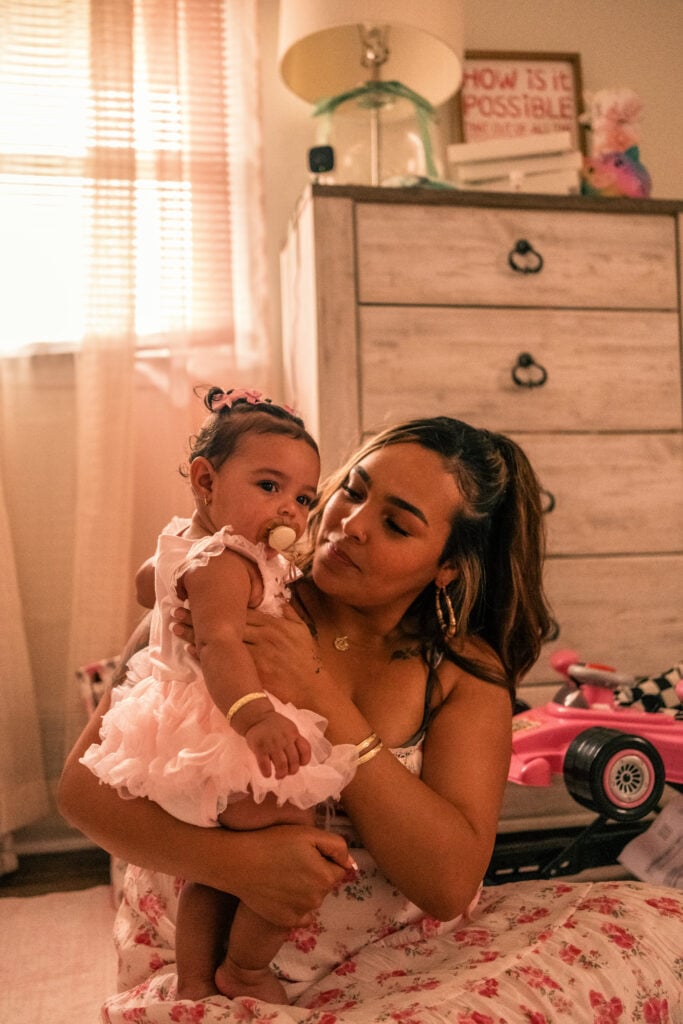
Your house doesn’t need to look like it belongs in a magazine, either. The toys, unfinished projects, laundry baskets and evidence of actual life are often what make the photographs more meaningful later. They give the images a sense of place and make them belong specifically to your family rather than to an idea of what maternity photographs are supposed to look like.
Beautiful doesn’t have to mean perfect
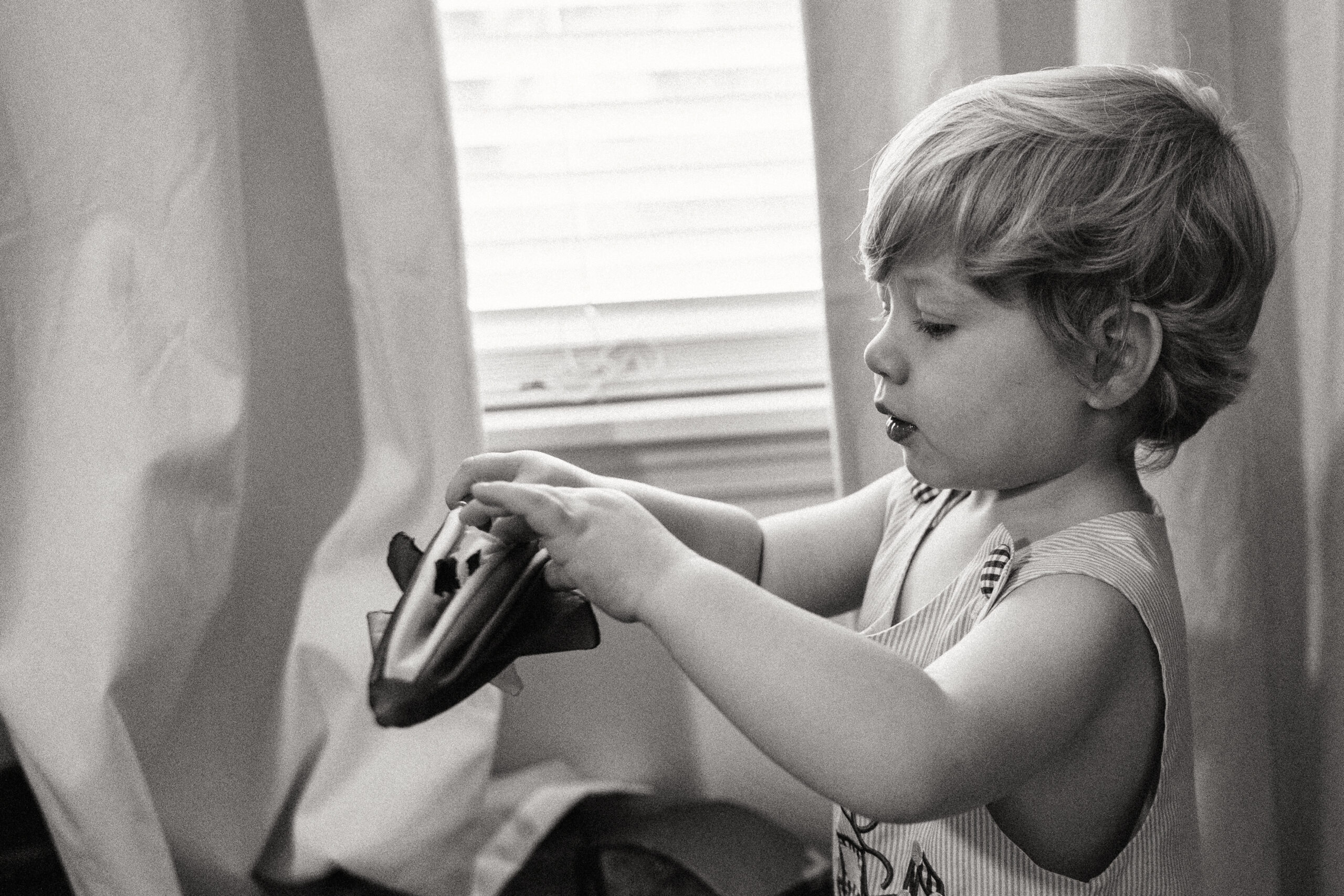
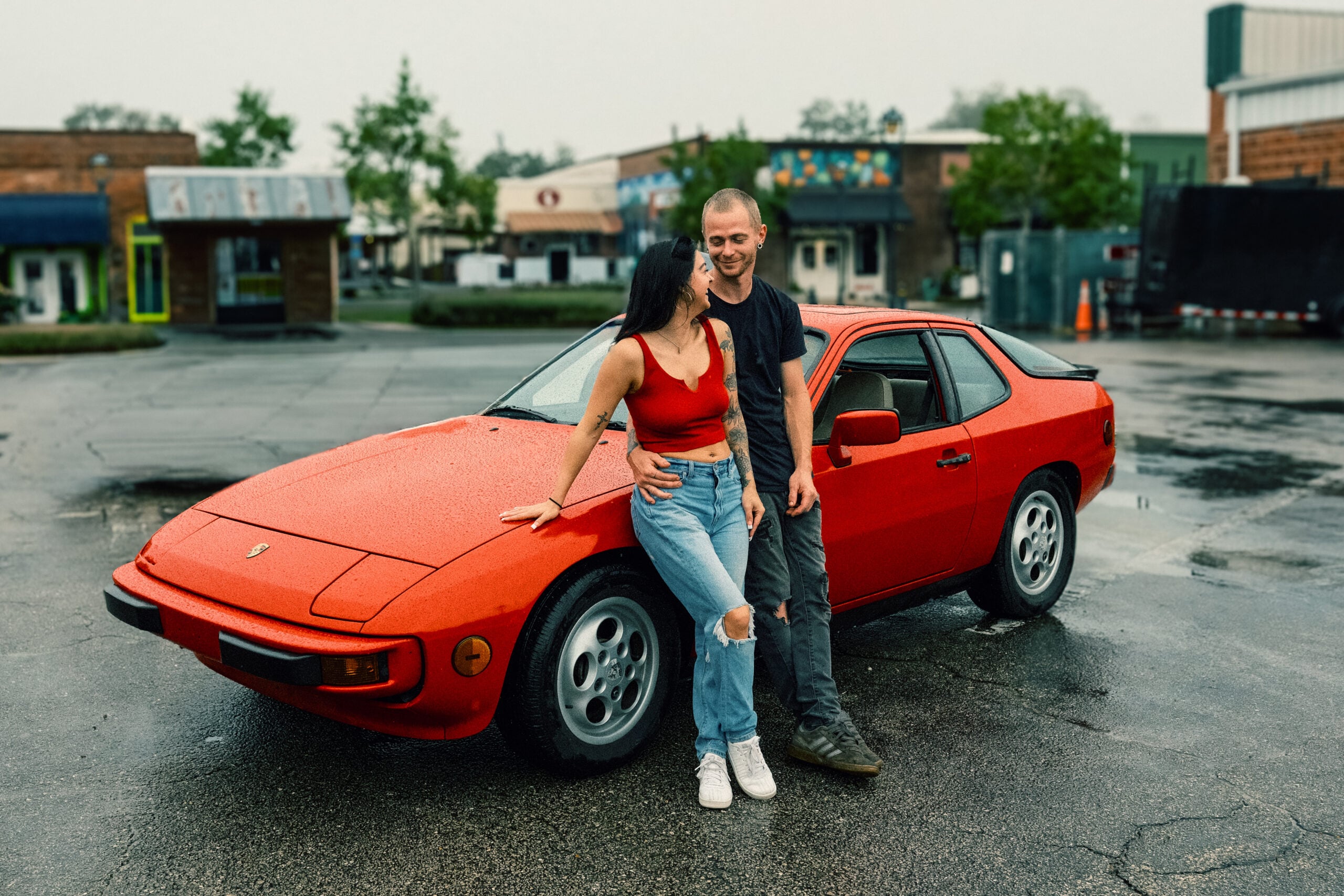
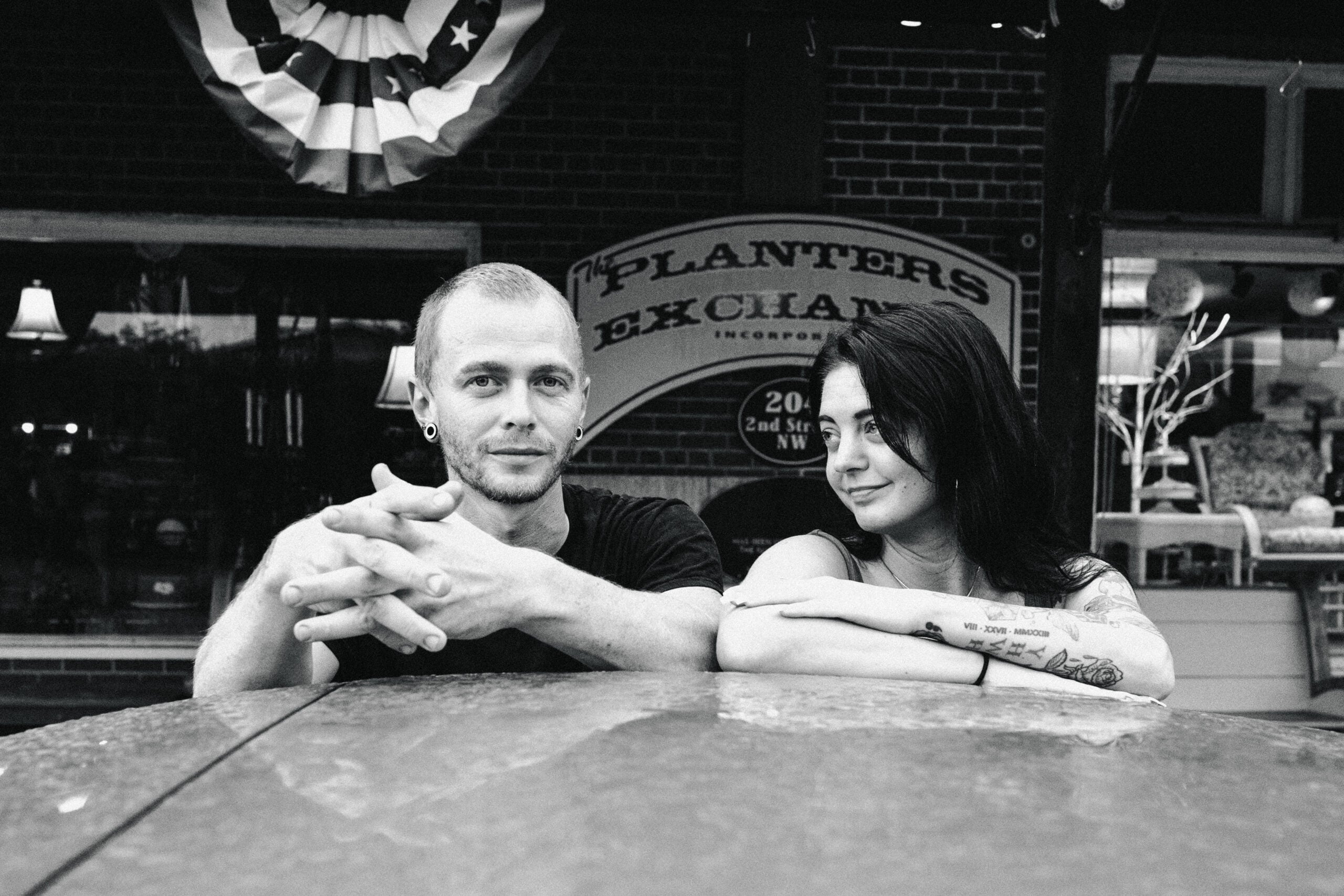
Documentary photography is not the absence of intention. I am still thinking carefully about light, composition, color, movement and the relationships happening inside the frame. I may move us toward a window, photograph through a doorway, wait for someone to enter the right patch of light or suggest something simple that allows a moment to unfold naturally.
What I am not trying to do is remove every imperfect thing until the photograph no longer feels like real life.
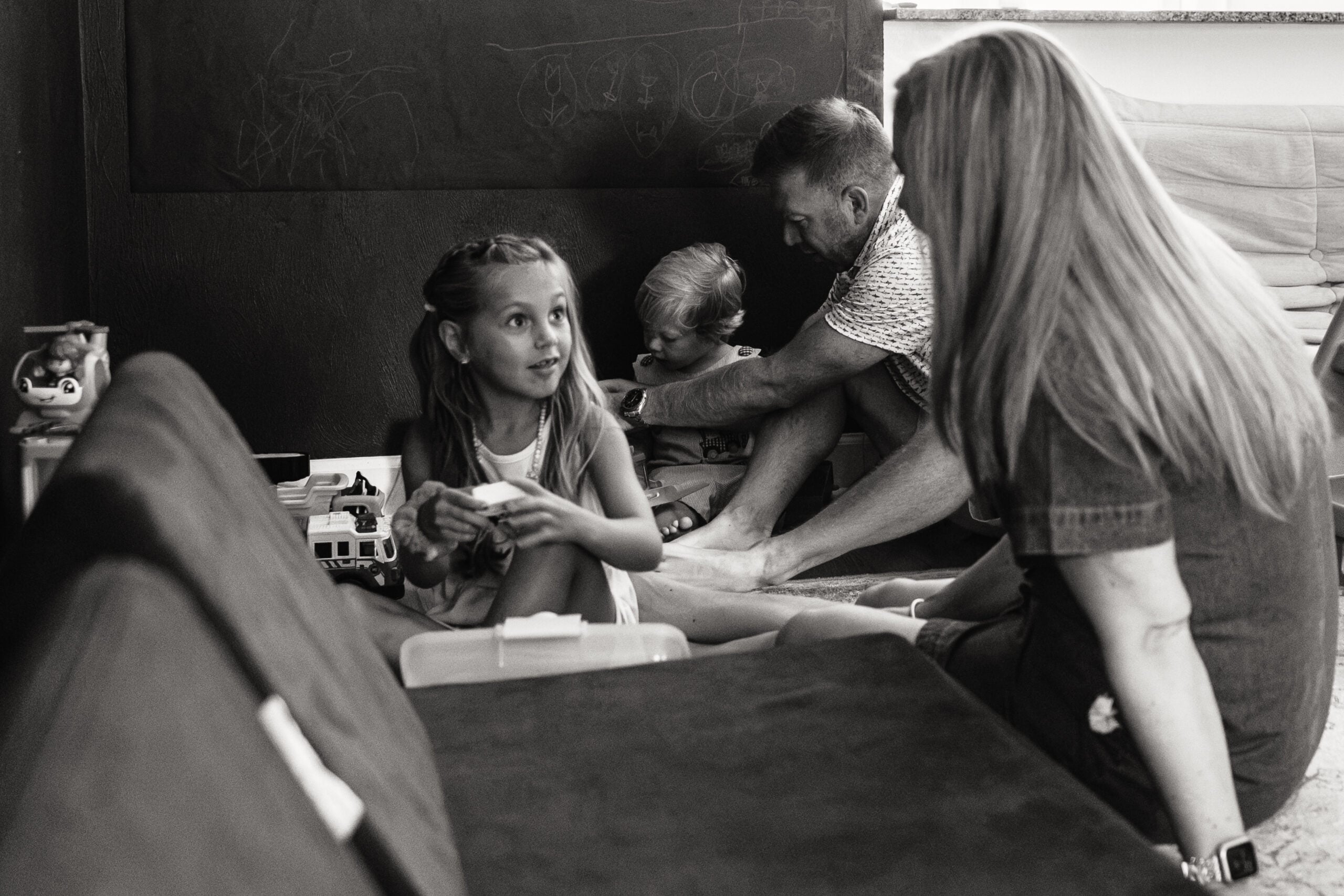
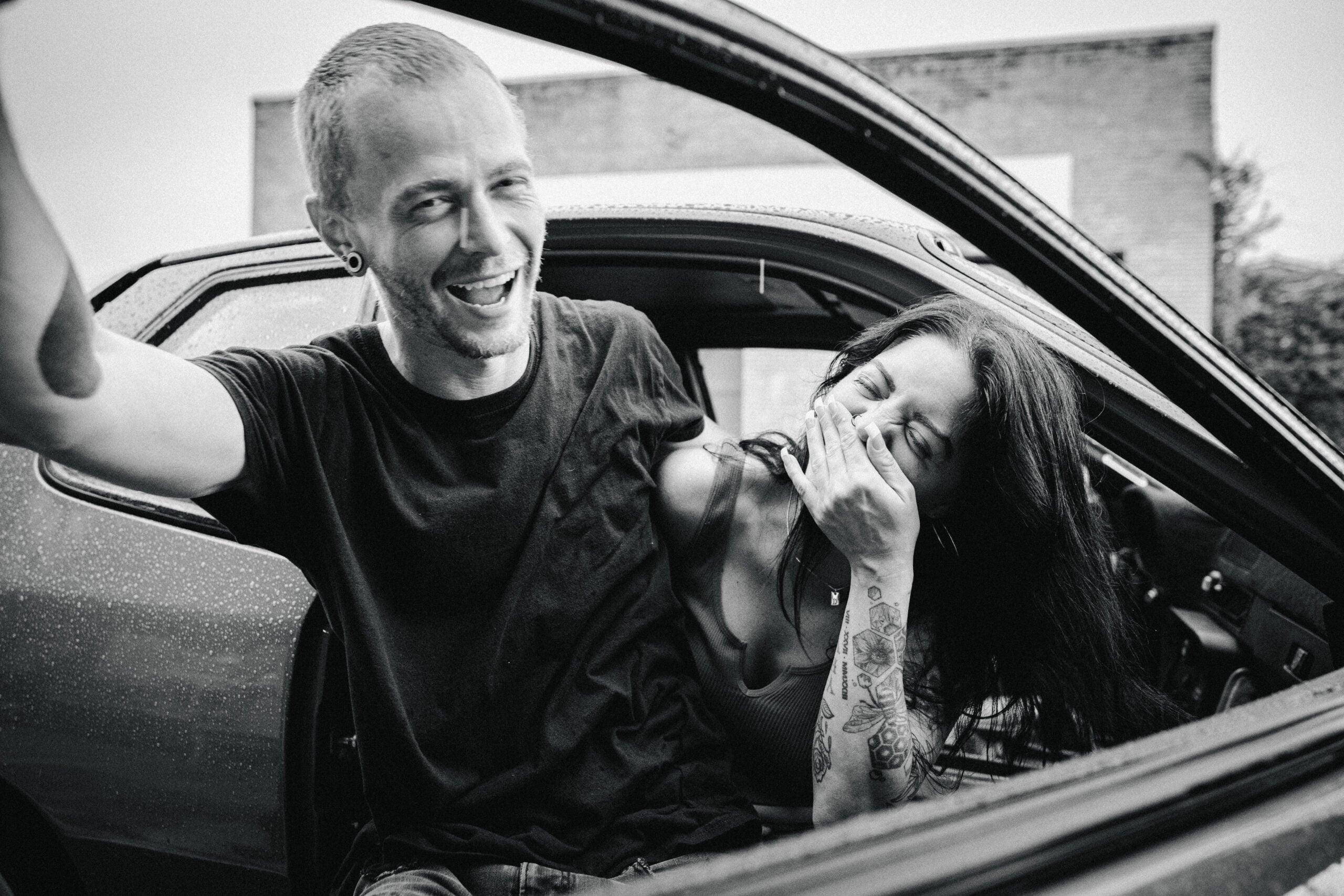
Some of my favorite images include the things that traditional portrait photography might try to eliminate: a person partially leaving the frame, a room falling into darkness behind someone, a hand reaching into the photograph, a child interrupting or a moment caught before anyone has had time to arrange themselves.
Those details can make a photograph feel more honest and, often, more visually interesting. I want the photographs to feel considered without feeling manufactured.
This is about more than remembering what pregnancy looked like
It makes sense to want photographs of your pregnant body. Pregnancy is brief, even when it doesn’t feel that way while you’re in it, and your body is doing something extraordinary.
But years later, the photographs may hold something else too.
If this is your first baby, they will show the final months when your family was still just the two of you. The quiet evenings, the anticipation and the strange in-between period before you became parents.
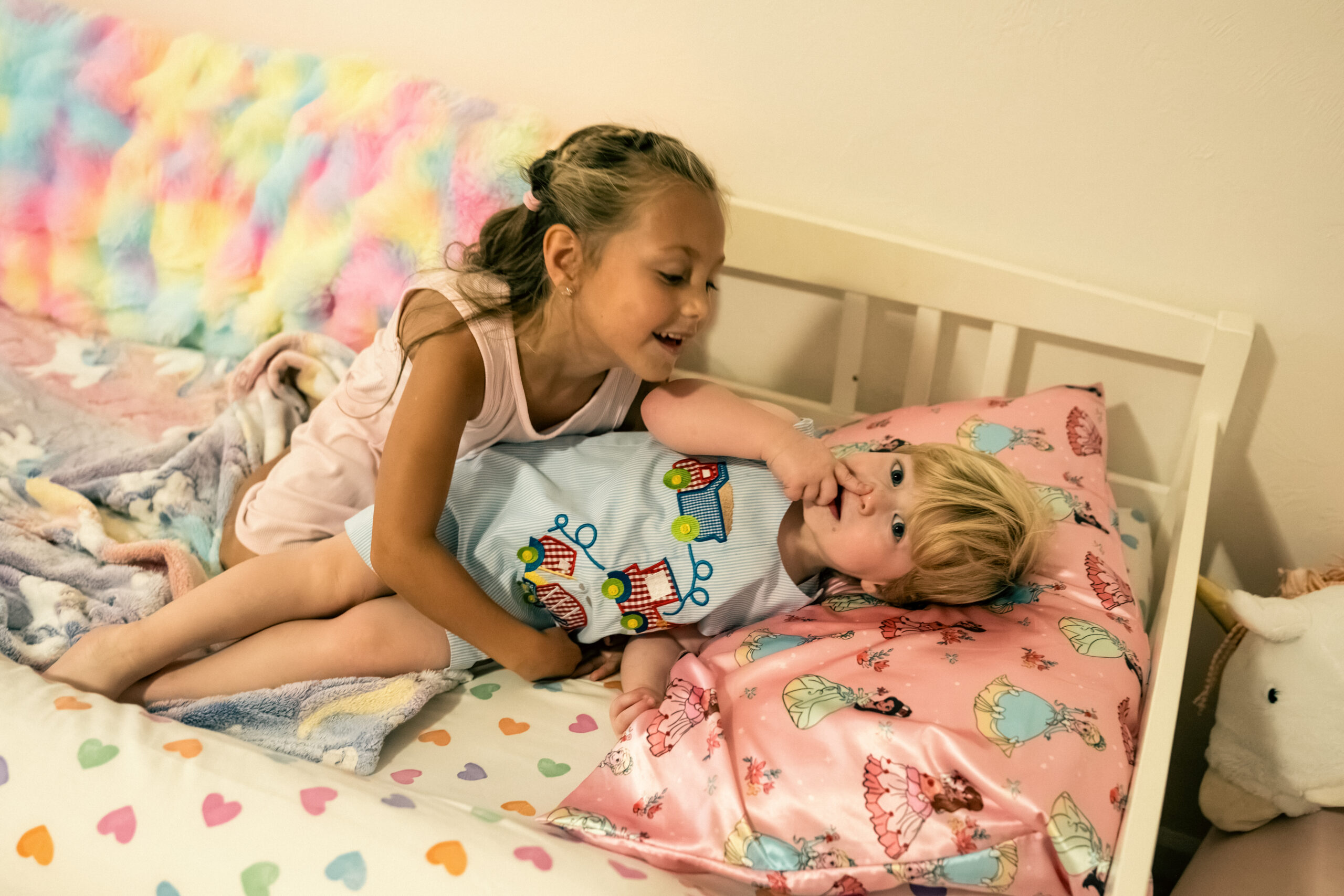
If you already have children, these photographs hold another kind of transition. They show the last stretch of time before your oldest became a sibling, before the rhythms of the house shifted and before another little person took up their place in the middle of everything.
That is what makes maternity photographs interesting to me. They are not only photographs of someone waiting for a baby.
They are photographs of a family on the edge of becoming something new.
You don’t need to know what to do in front of the camera
A lot of people feel uncomfortable with the idea of being photographed because they assume it means they will need to perform for the camera. They worry about posing correctly, knowing what to do with their hands or somehow appearing natural while being intensely aware that someone is taking their picture.
You don’t need to know how to do any of that.
A documentary maternity session has enough structure that you won’t feel abandoned in front of the camera, but not so much that the afternoon becomes a sequence of poses. We may loosely plan a few things that give the session some rhythm, especially activities that are already part of your life. From there, I pay attention to what happens between the planned moments.
Sometimes the photograph is the thing we expected. Sometimes it happens immediately afterward.
The goal is for you to spend less time thinking about how you look in the photograph and more time actually being inside the day.
A photograph of the before
There will eventually be a last evening before your baby is born.
A last weekend when the nursery is still waiting. A last morning when your family exists in exactly this configuration. If you have an older child, there will be a last time you pick them up as your youngest child without realizing it is the last time that version of the family exists.
Then the baby arrives, and life moves forward.
The nursery becomes a real child’s room. The tiny clothes are worn and outgrown. The routines change. The things that felt unfinished become part of the past.
This is why I think maternity photographs can matter so much. They give you something from that strange, temporary space before everything changes.
Not just a record of what pregnancy looked like.
A record of the life that surrounded it.